


What to Do in Milan: Top Attractions, One Day in the City and Free Things to See
I travelled from Genoa to Milan by train expecting fashion, traffic and one famous cathedral. Instead I found a city that changes character every few streets — monumental stations, modern towers, quiet courtyards, opera balconies, canals, art museums and a tiny chapel lined with bones. This guide covers the best things to do in Milan, a route for one day, the free attractions worth your time, and my full four-day itinerary with personal photos.
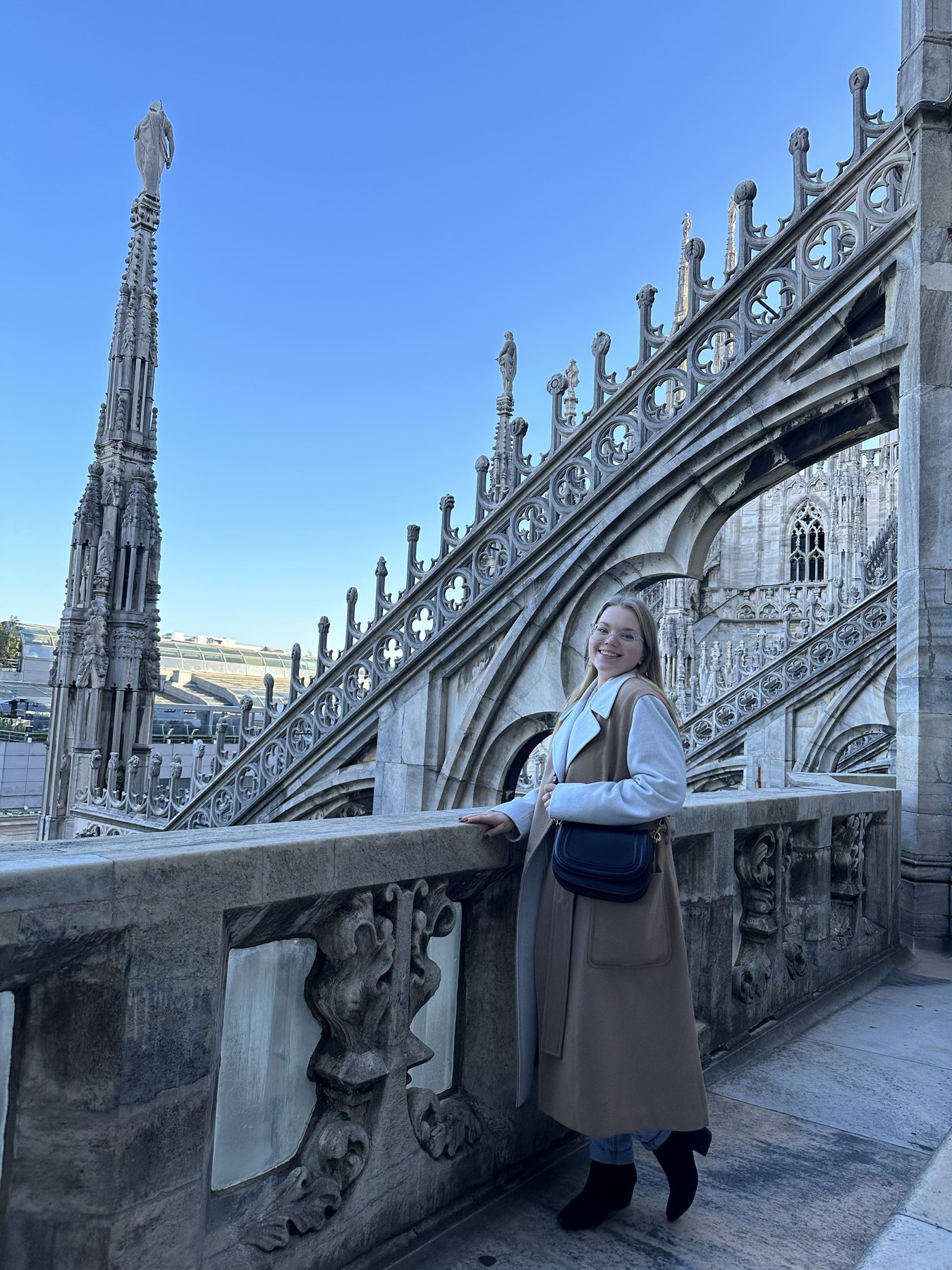
Milan’s top attractions
Most of Milan’s best attractions sit within a walkable central core, which is why the city works so well even on a short visit. These are the places I actually spent time in, what each one is like, and how much time to give it. If you only remember one thing: pair the grand landmarks with the small interiors between them — the contrast is what makes Milan memorable.
Duomo di Milano and the rooftop terraces
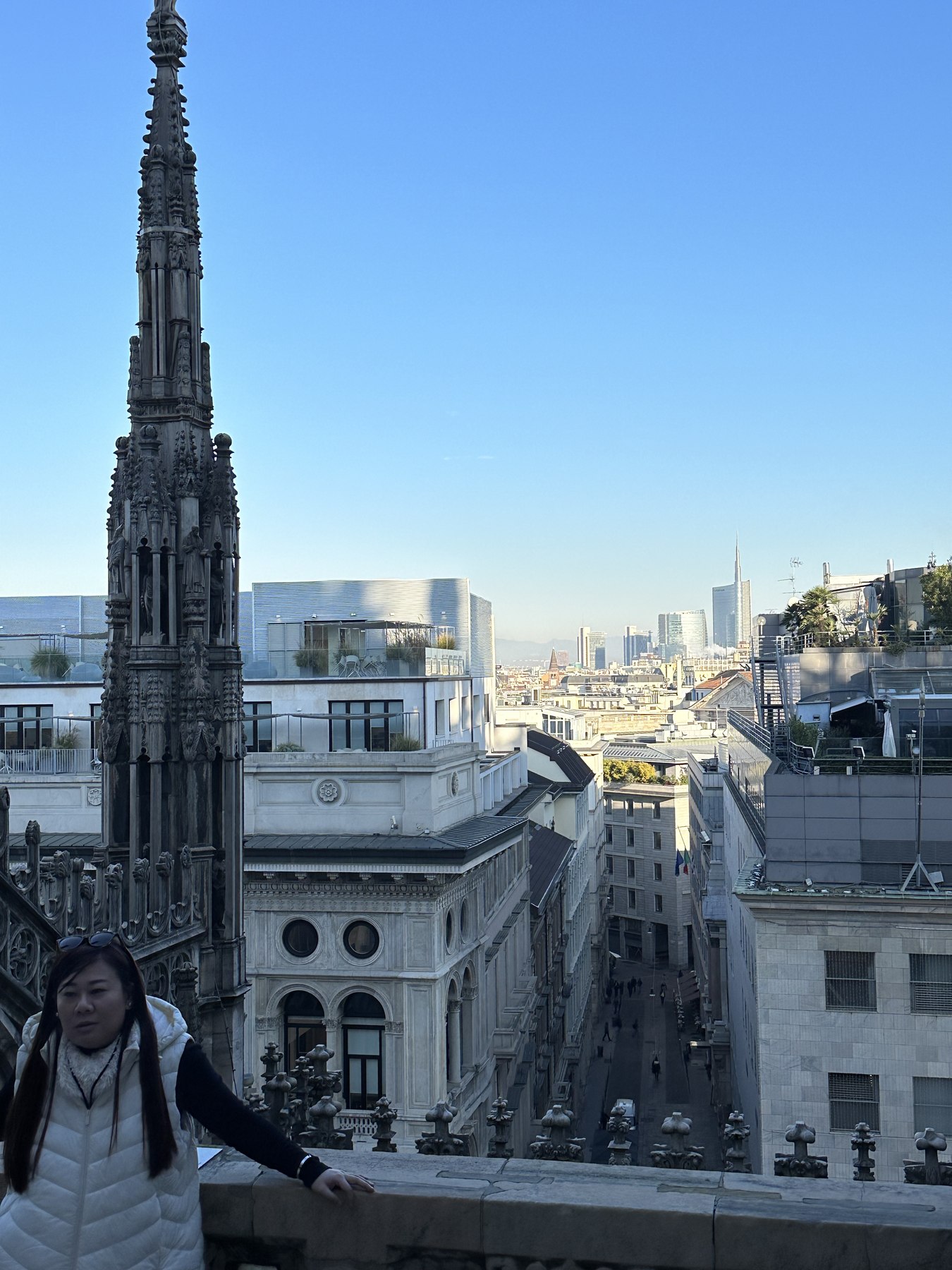
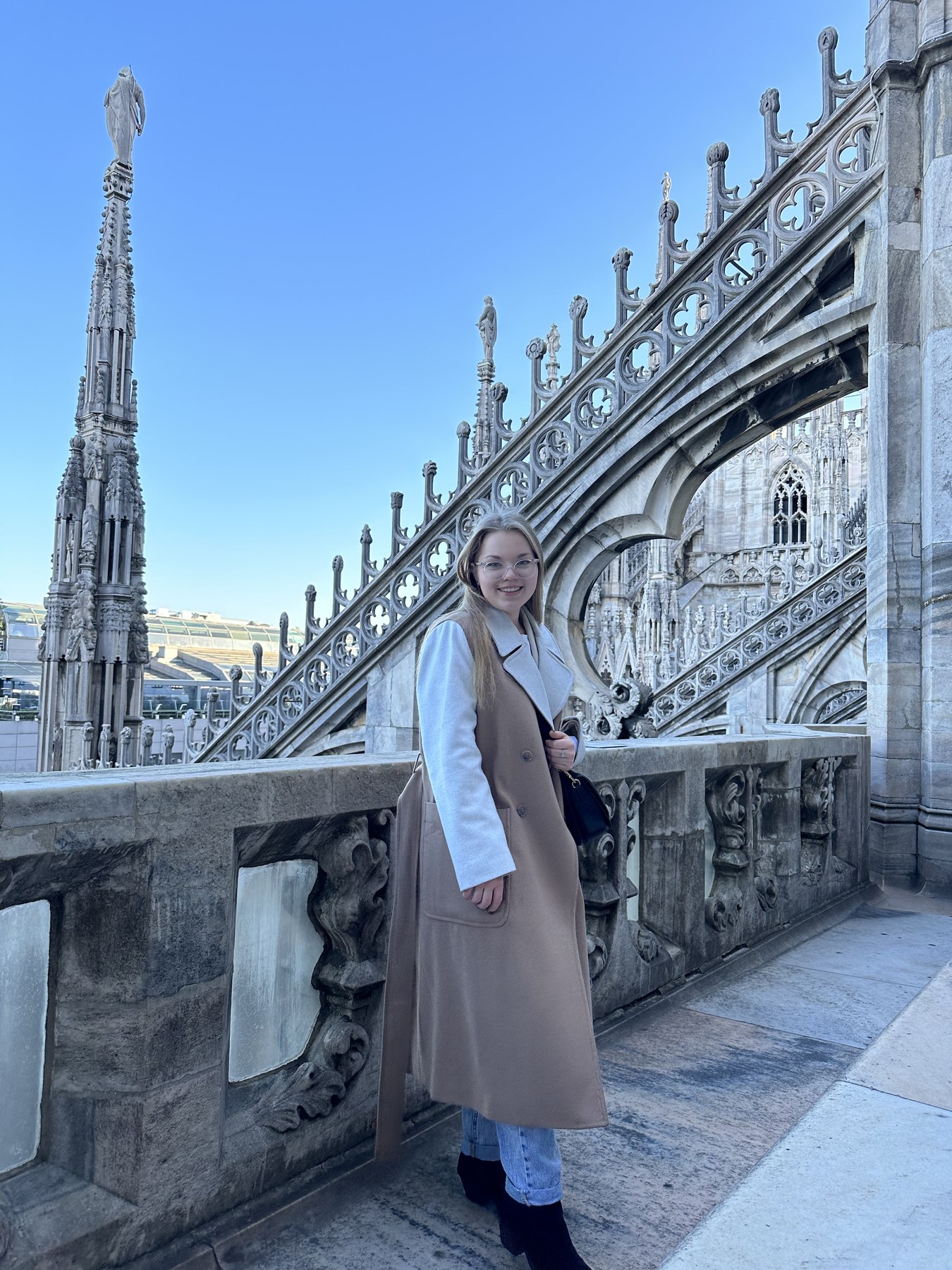
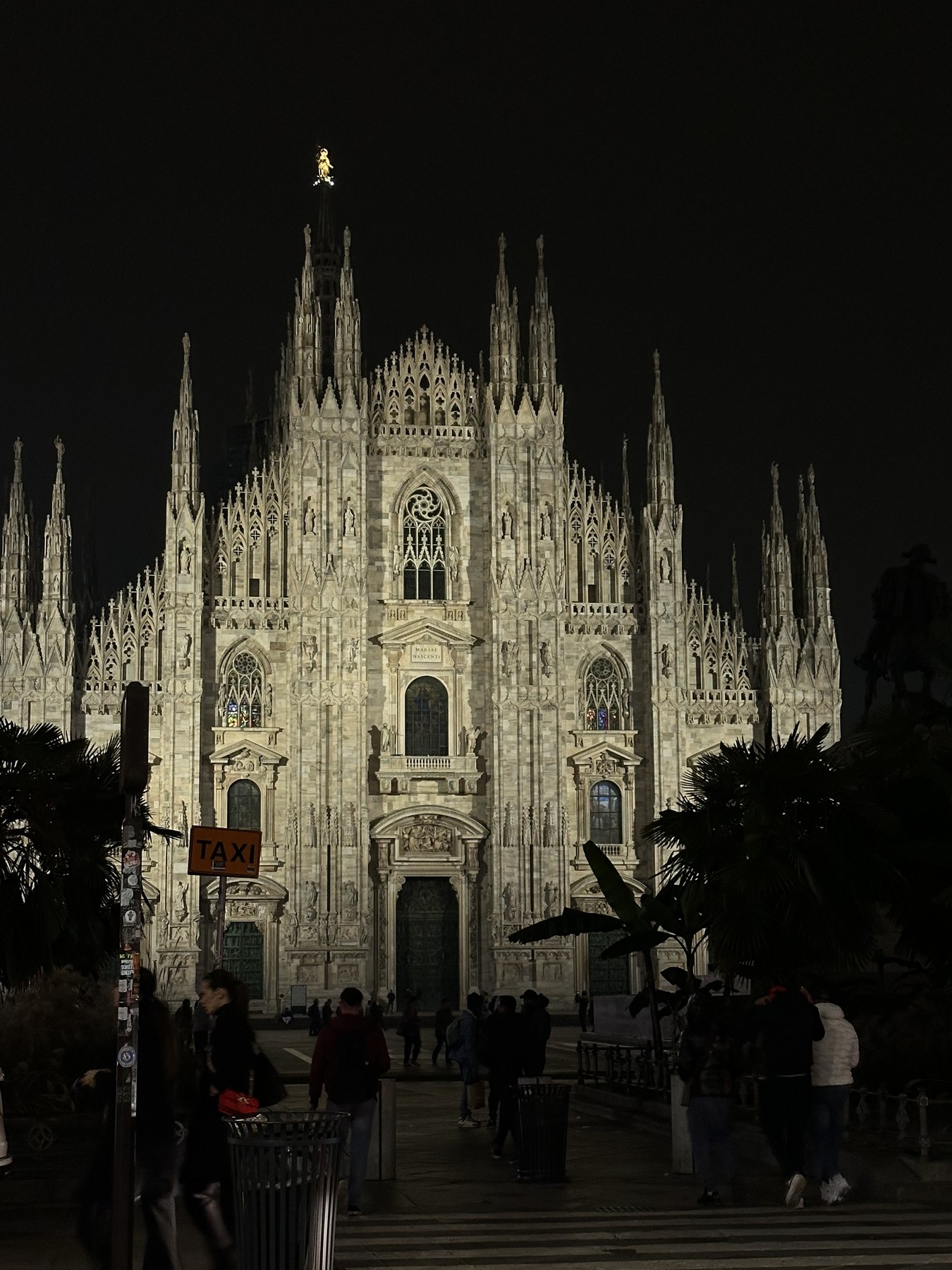
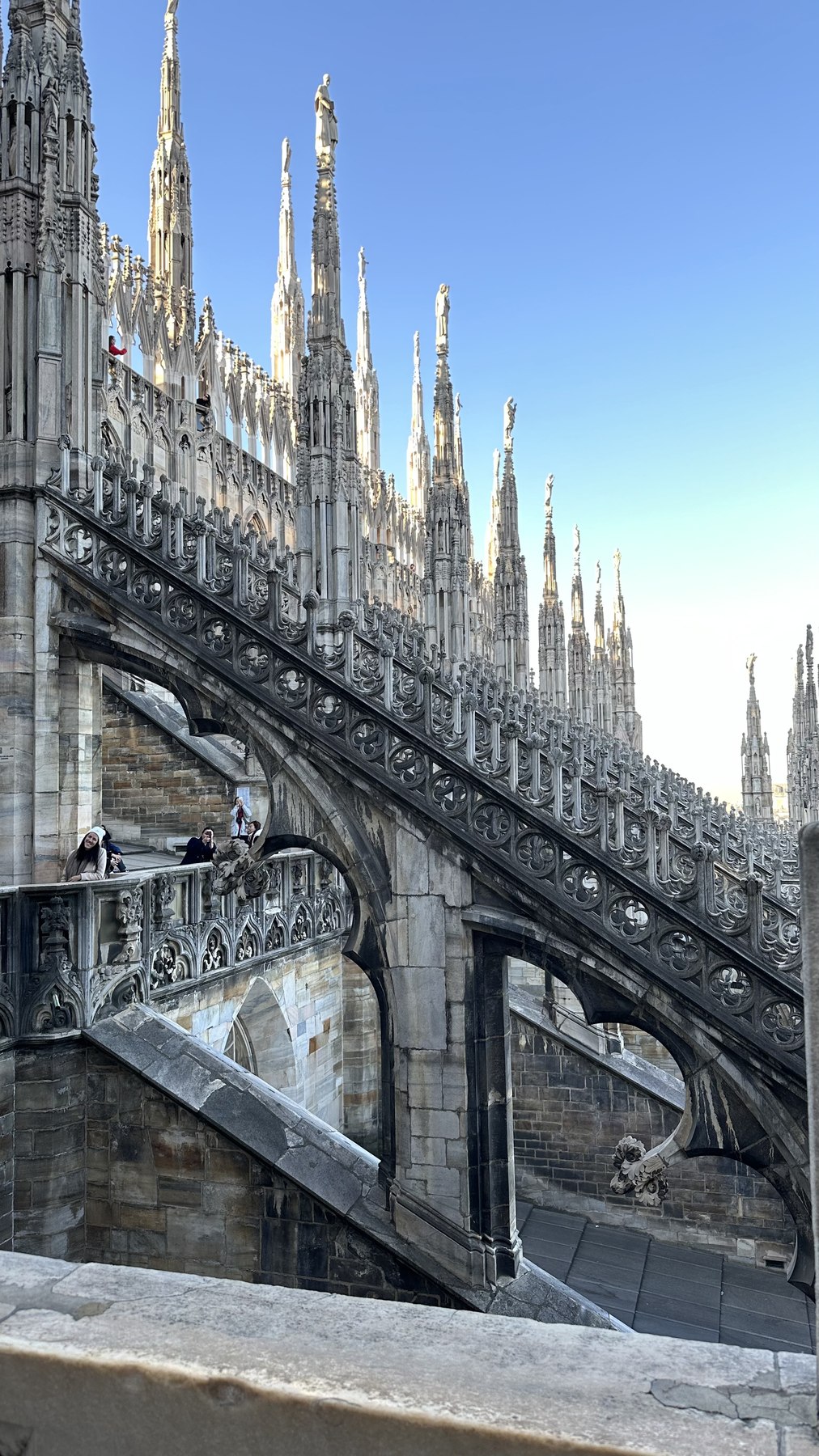
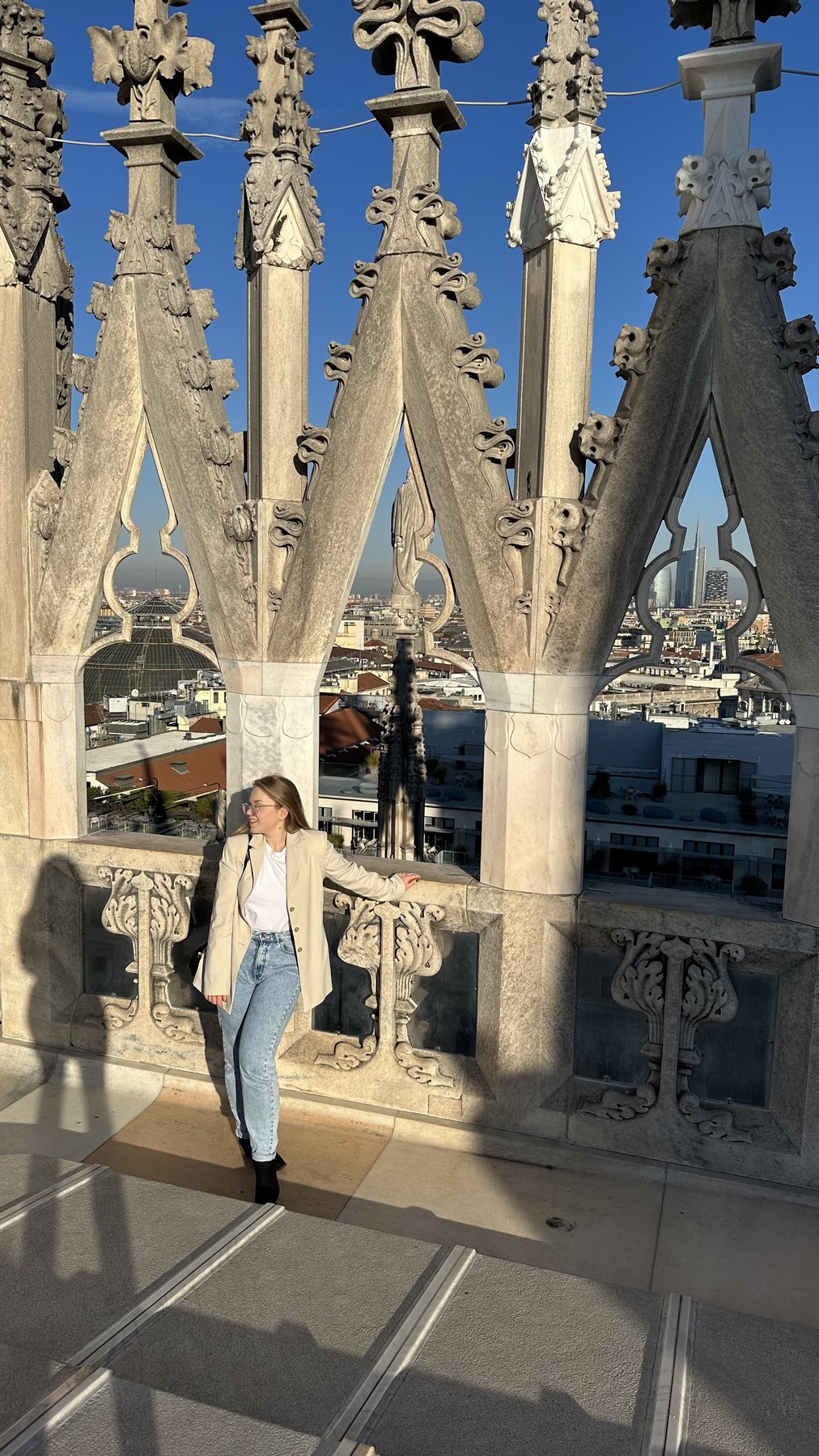
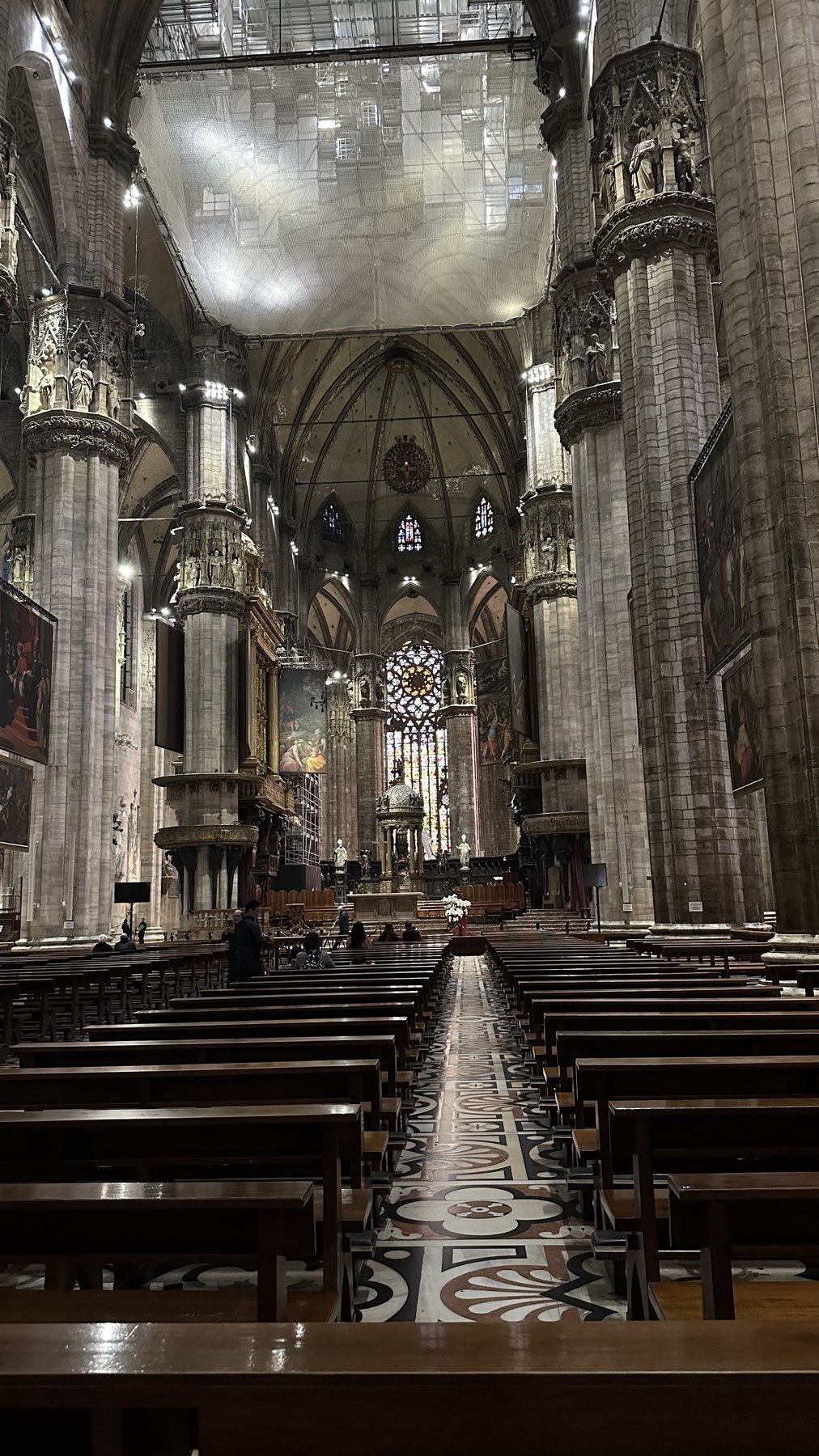
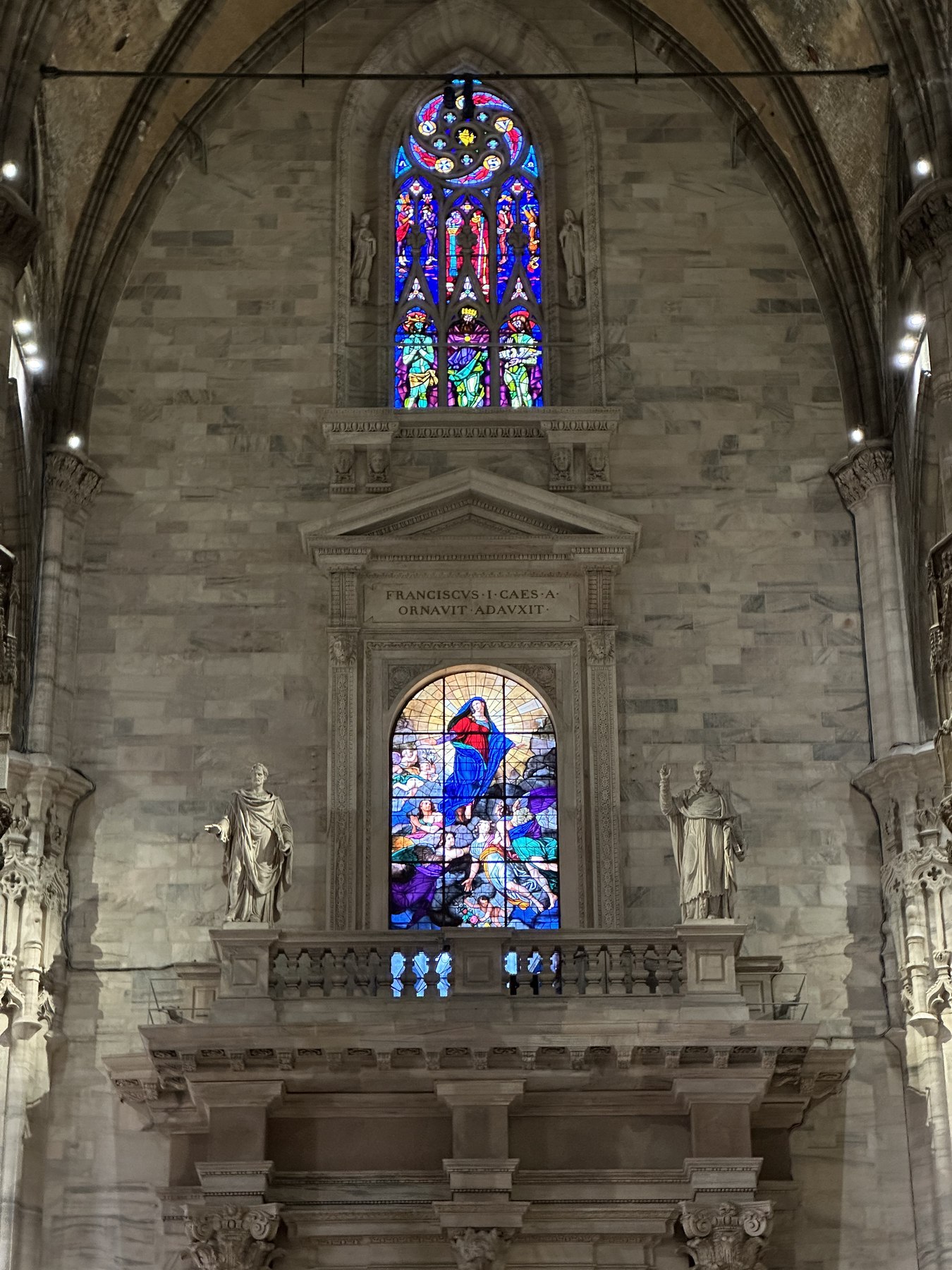
The Duomo is the single attraction that justifies the trip. From the square it reads as one immense Gothic object; on the rooftop terraces it dissolves into hundreds of separate details — statues, pinnacles, flying buttresses and marble passages, with the modern skyline framed between the spires. Do both the roof and the interior on the same visit: the shift from bright open terraces to the vast, shadowed nave and stained glass gives the building far more meaning than choosing only one.
Official site & ticketsGalleria Vittorio Emanuele II
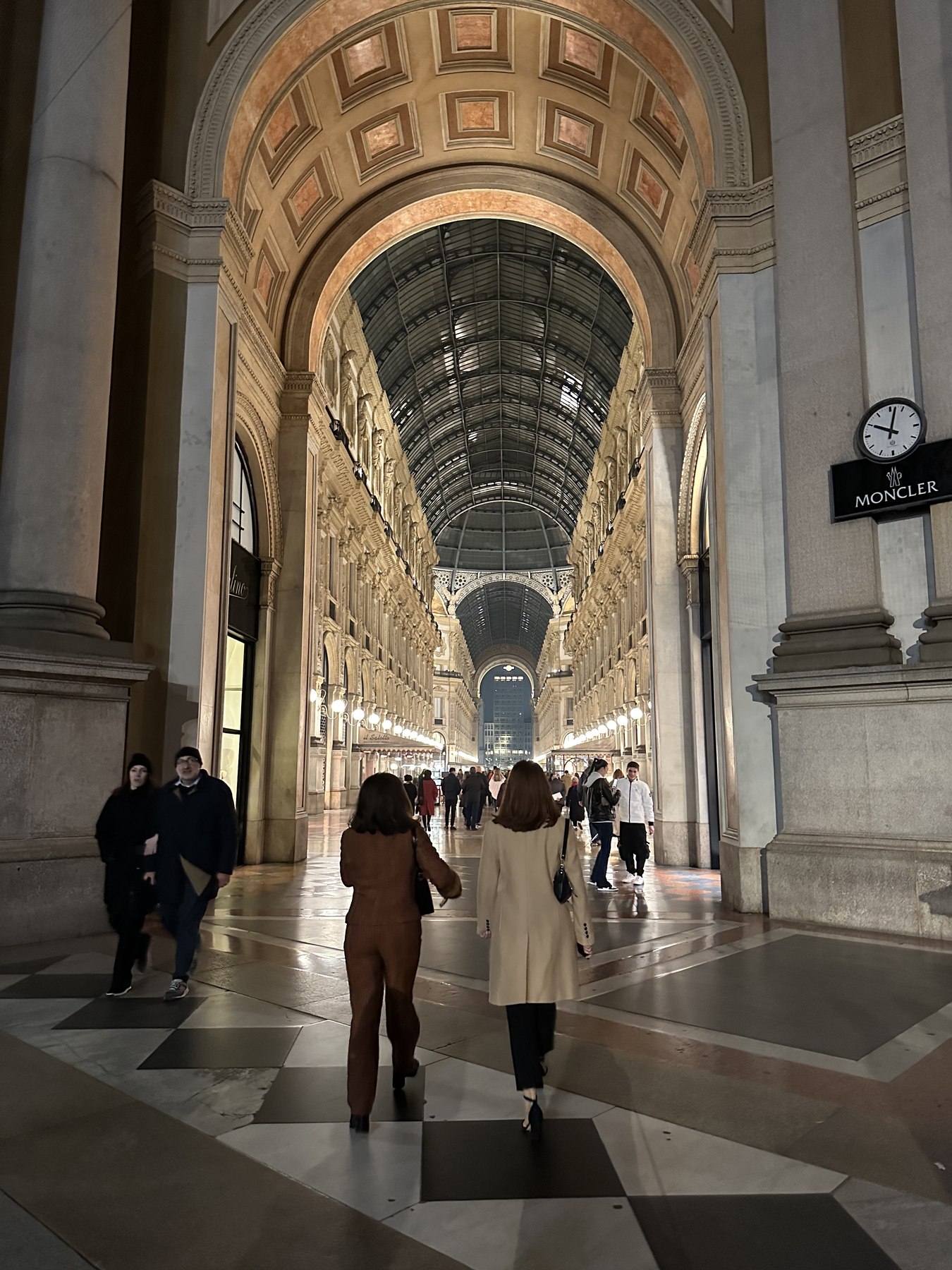
The glass-roofed arcade beside the Duomo is free to walk through and becomes especially atmospheric after dark, when the mosaics and shopfronts light up. It’s a short stop, but it connects Piazza del Duomo to La Scala and makes a natural evening route through the centre.
More infoTeatro alla Scala
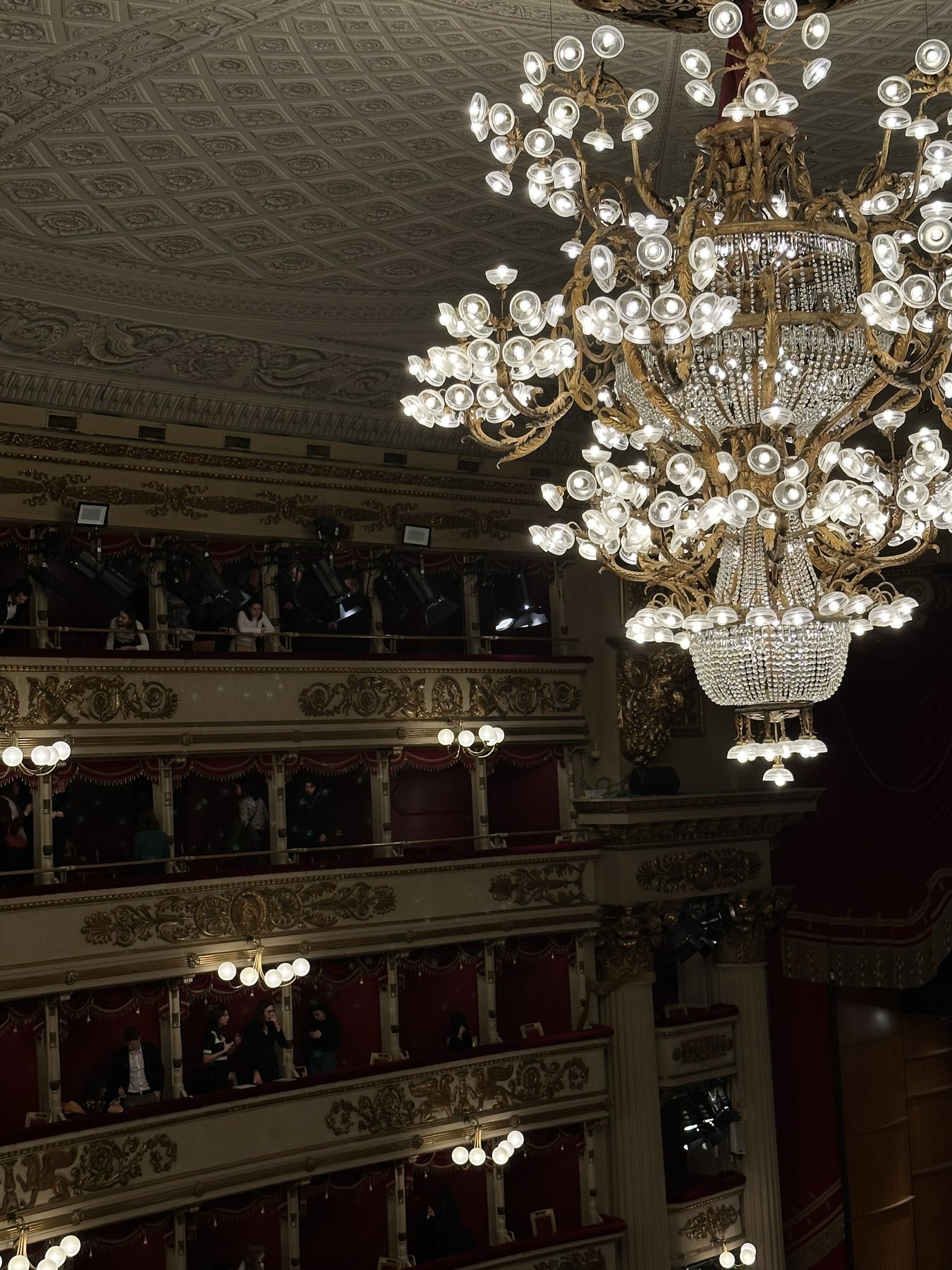
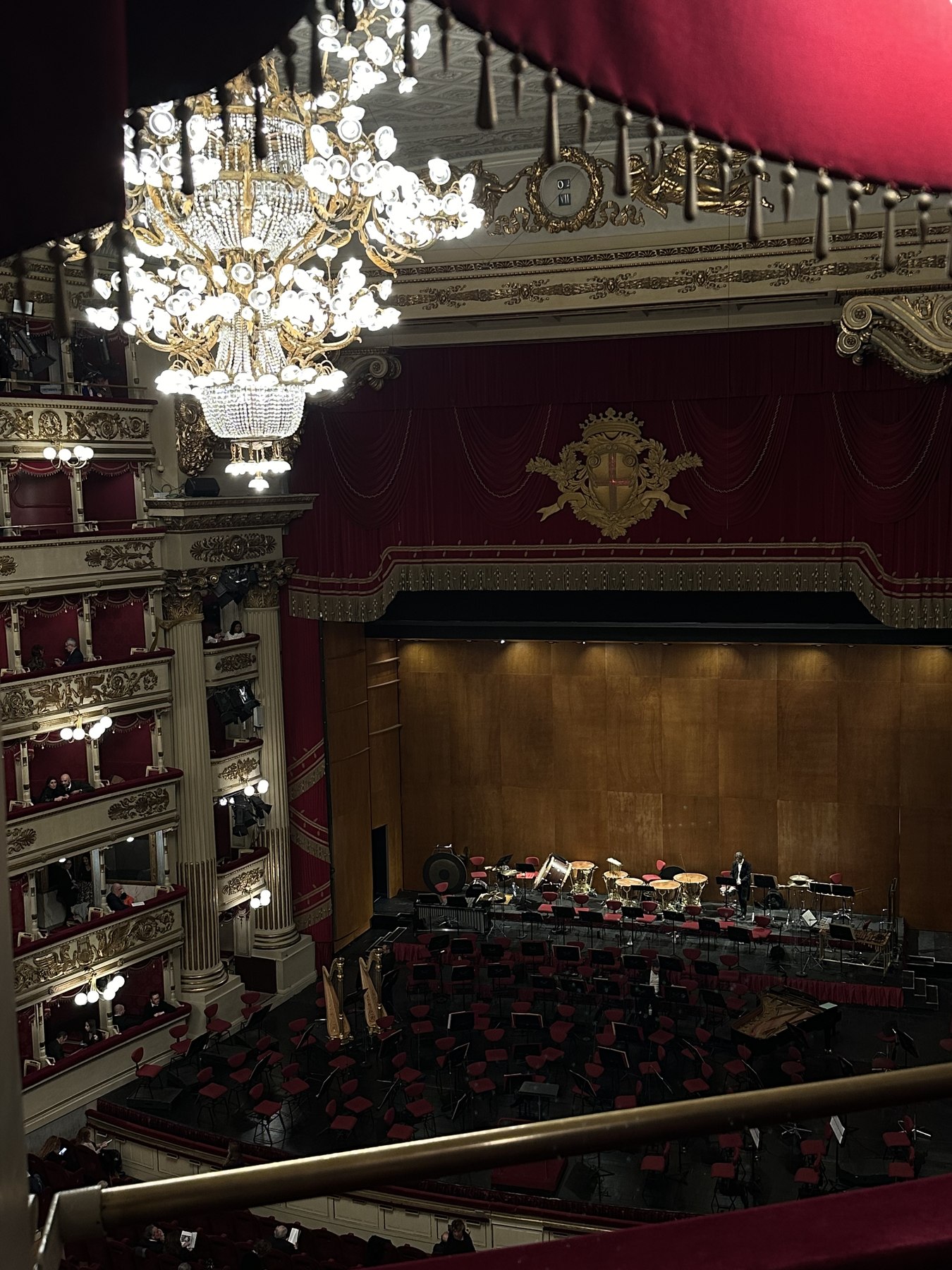
From outside, La Scala gives almost nothing away. Inside, the red-and-gold boxes, the chandelier and the intimate scale of the auditorium are a genuine surprise. Even a short museum-and-auditorium visit is worth it if you don’t catch a performance.
Official site & ticketsPinacoteca di Brera and Palazzo Brera
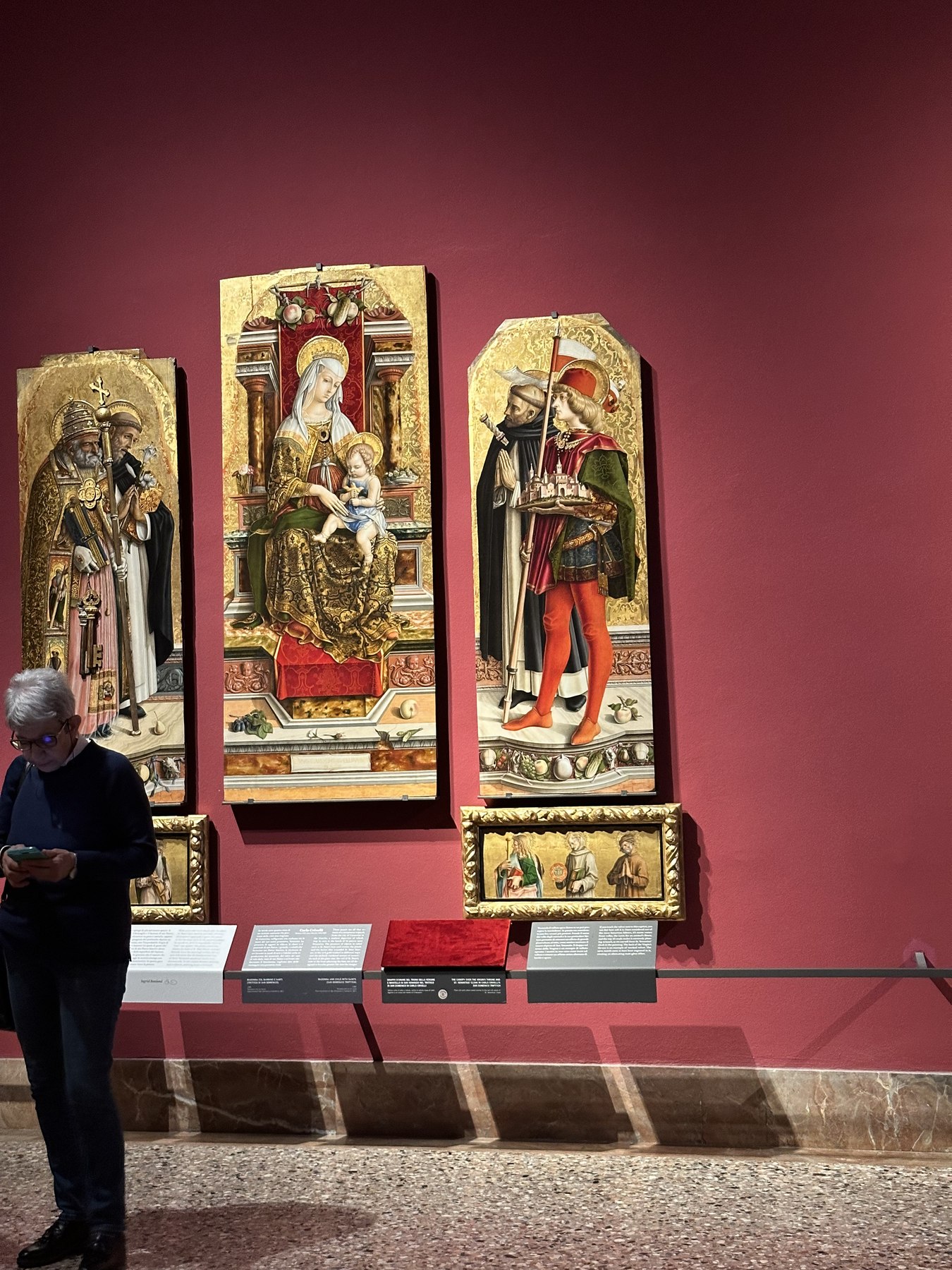
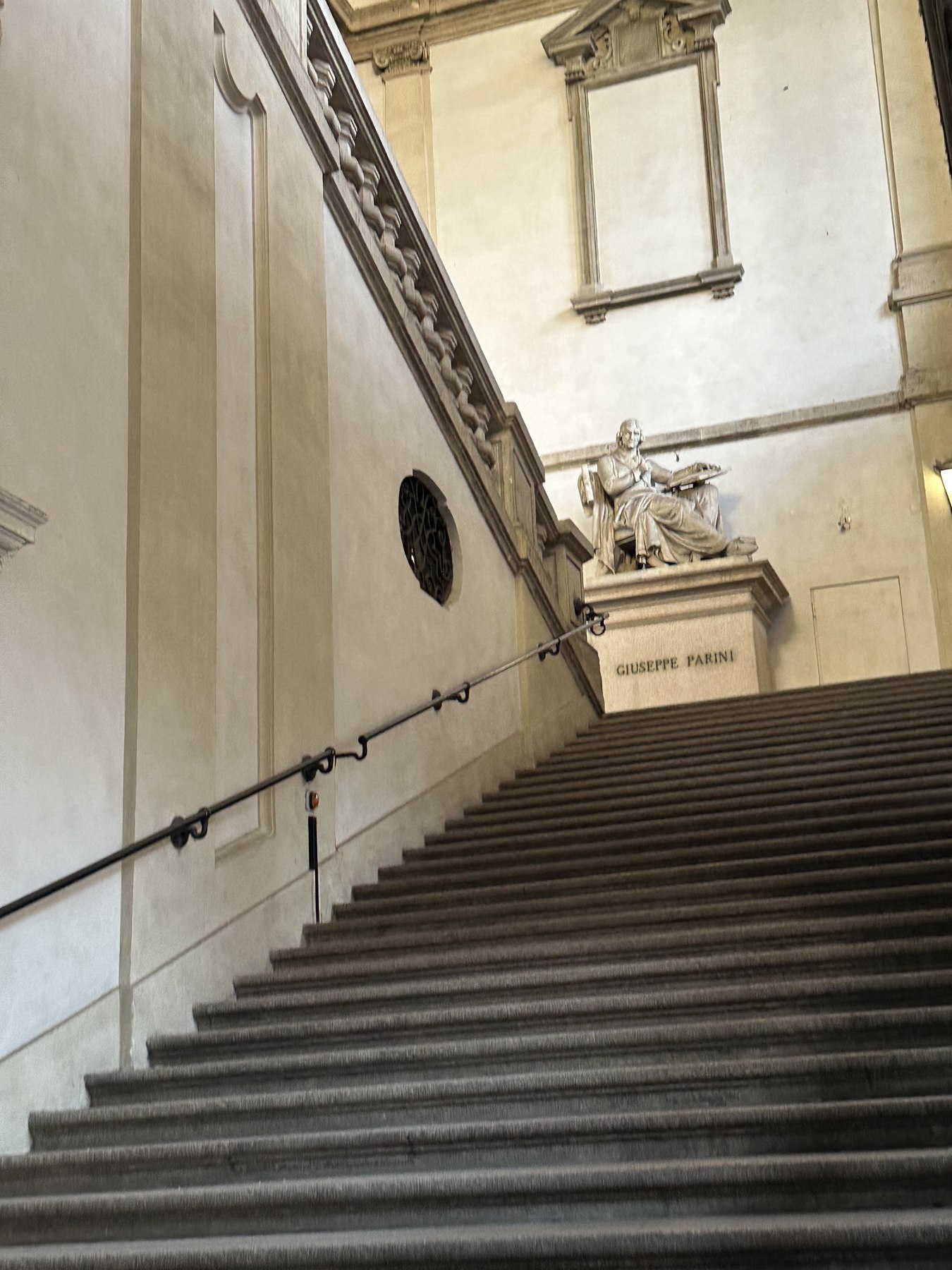
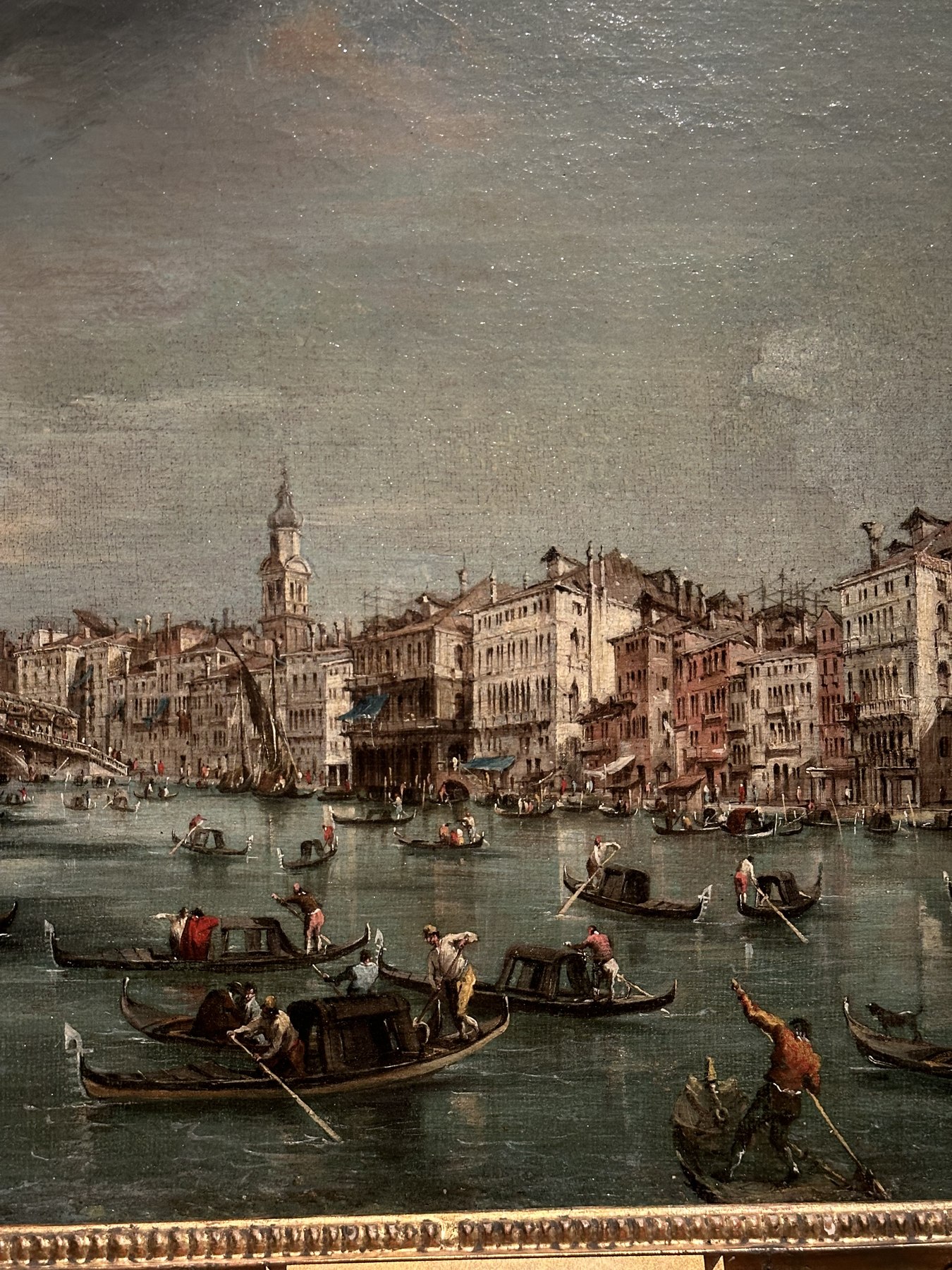
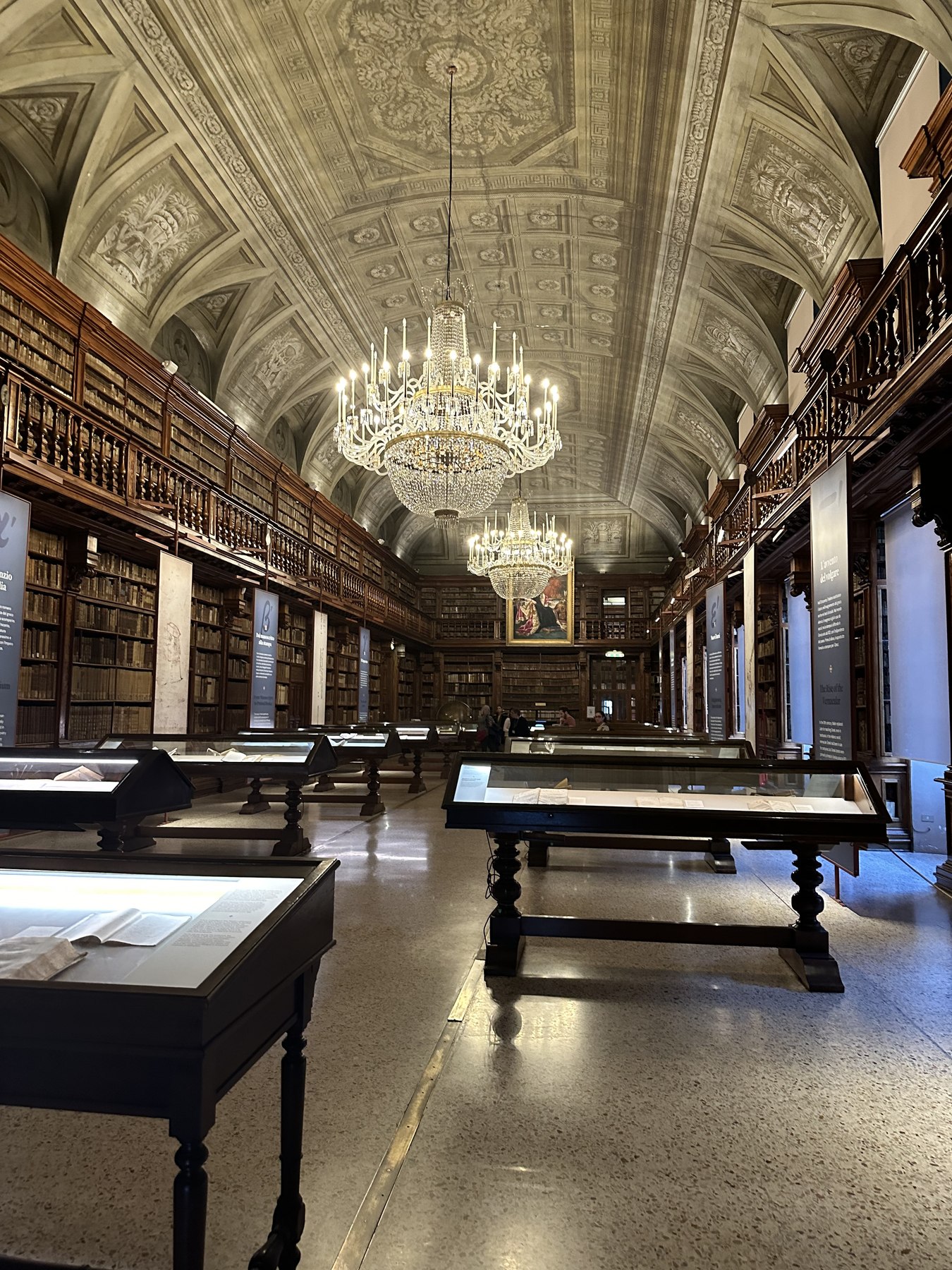
Brera is the art highlight and one of the best things to do in Milan for anyone who likes to look slowly. The Pinacoteca rewards patience rather than a quick walk past famous names, the ceremonial staircase sets the mood, and the neighbouring Biblioteca Braidense — a long, dark, painted reading room — became my favourite interior in the whole city. The Brera district around it is a calm, historic contrast to the busy centre.
Official site & ticketsNavigli and Naviglio Grande
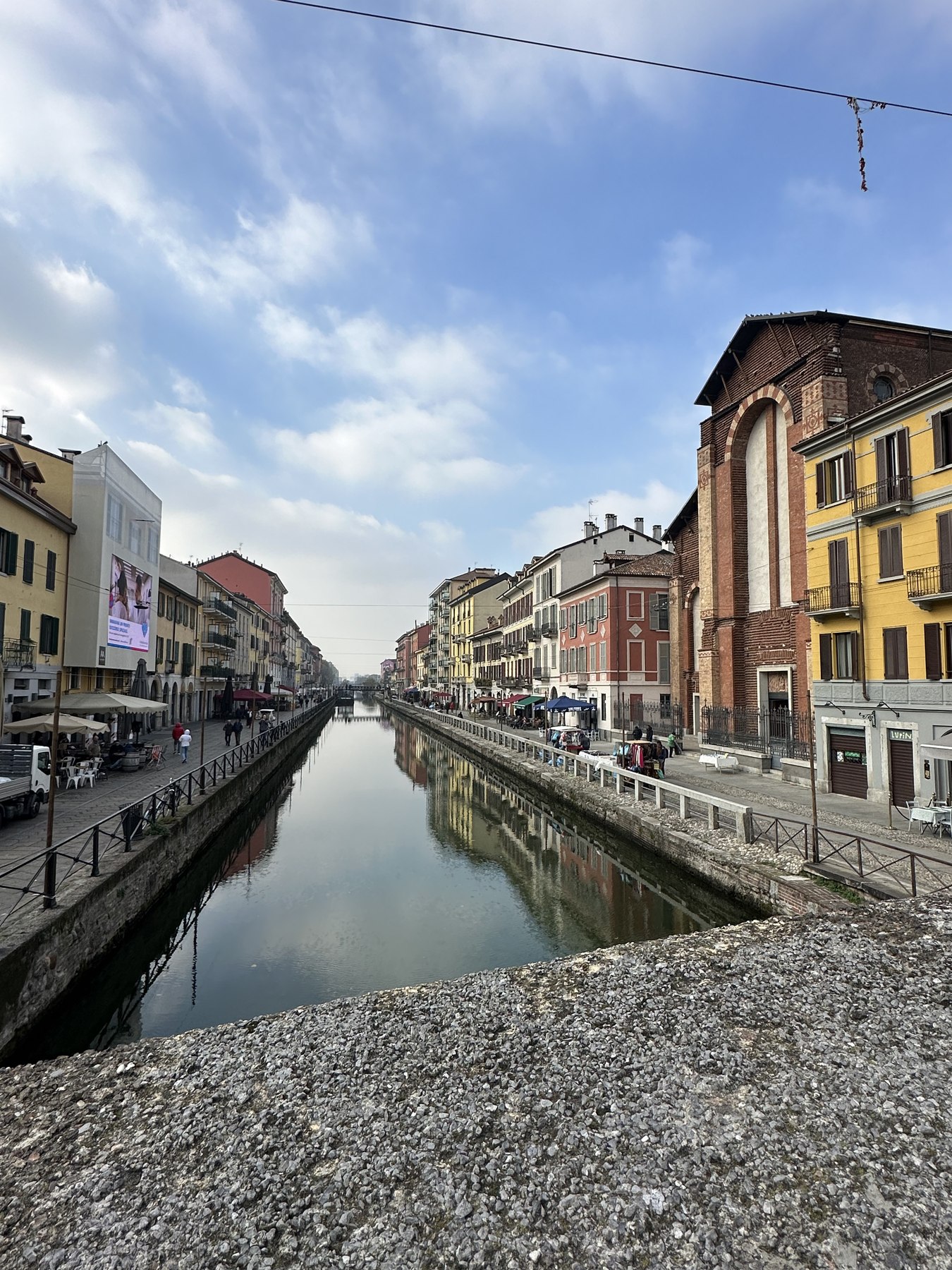
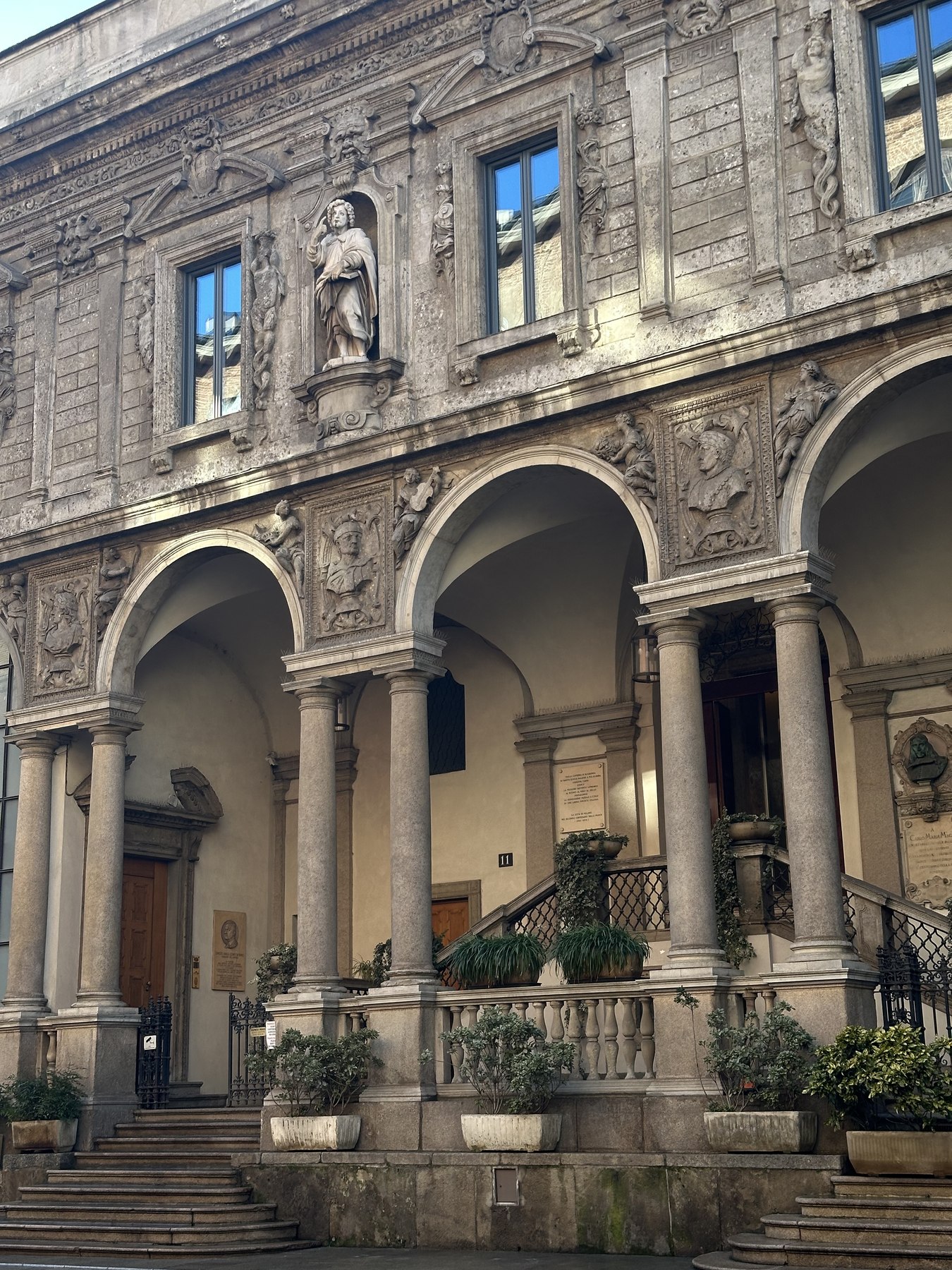
The canal district changes the scale of the city: lower buildings, water reflections and long views instead of grand façades. It’s the best area for a relaxed walk, an aperitivo and a slower afternoon, and it pairs naturally with the MUDEC museum nearby.
More infoBosco Verticale and Porta Nuova
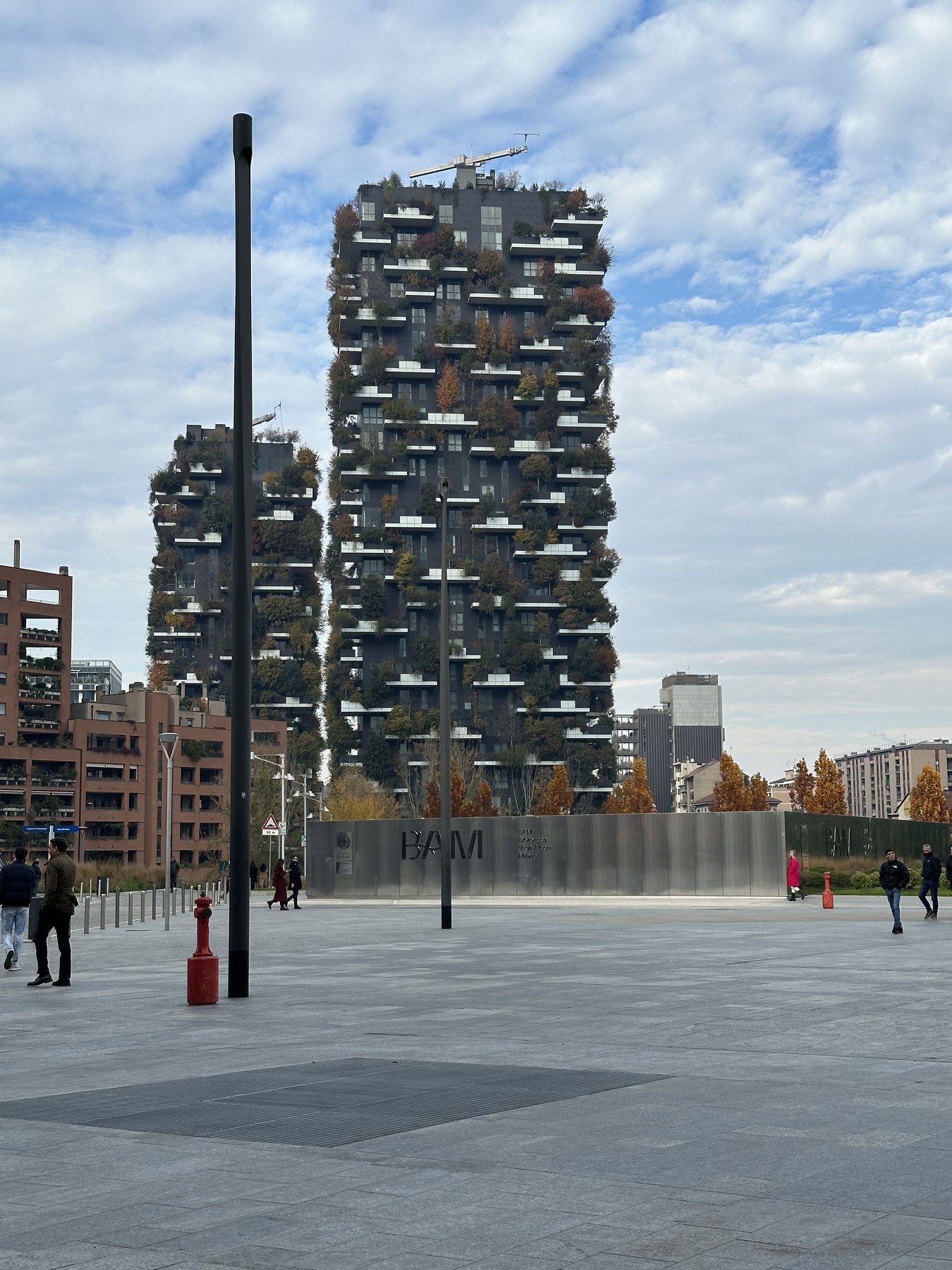
The tree-covered “vertical forest” towers give the northern district an unmistakably modern backdrop and are free to admire from the open squares around them. It’s the clearest place to see how closely Milan’s old and new identities sit together.
More infoSan Bernardino alle Ossa
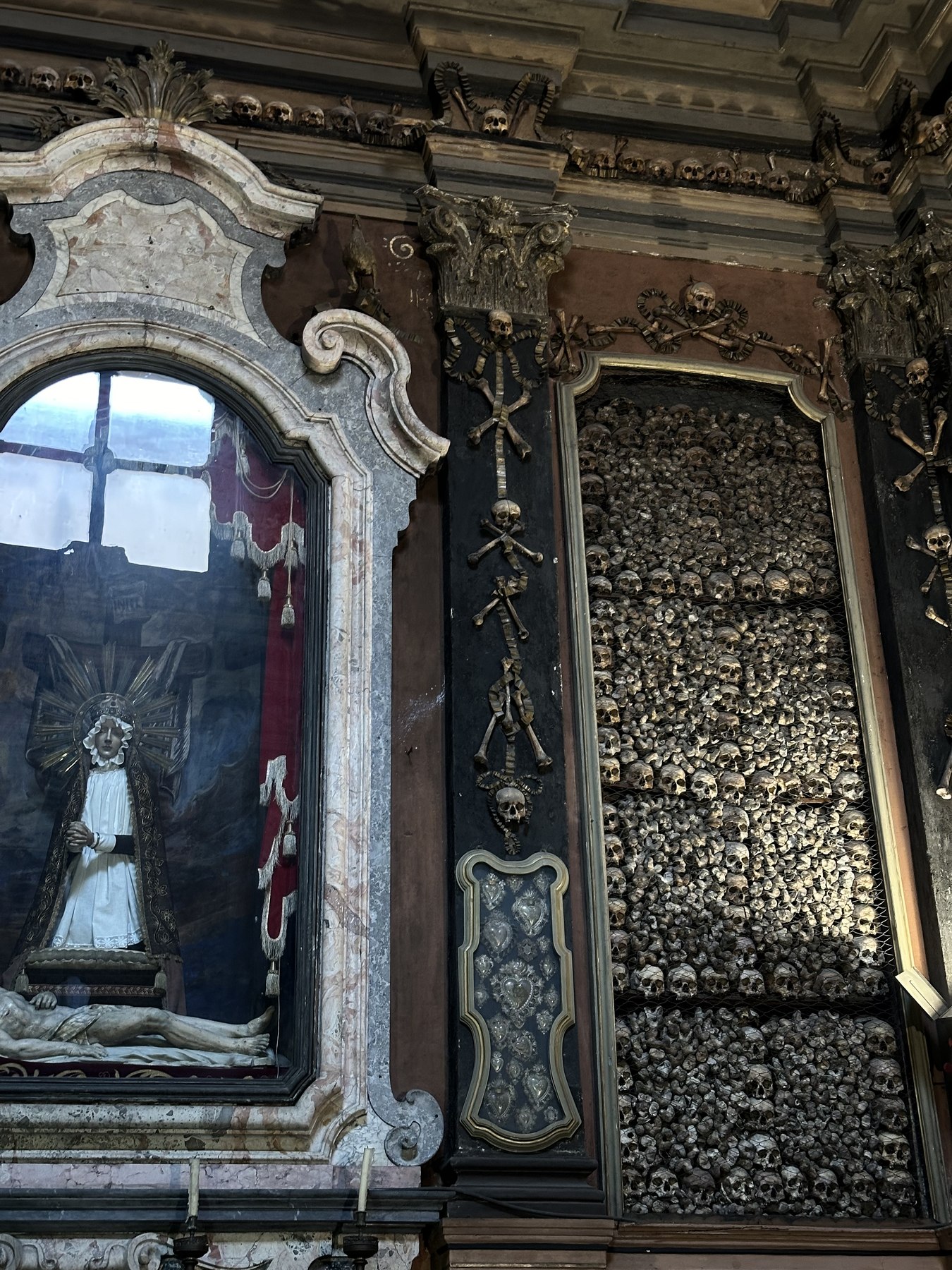
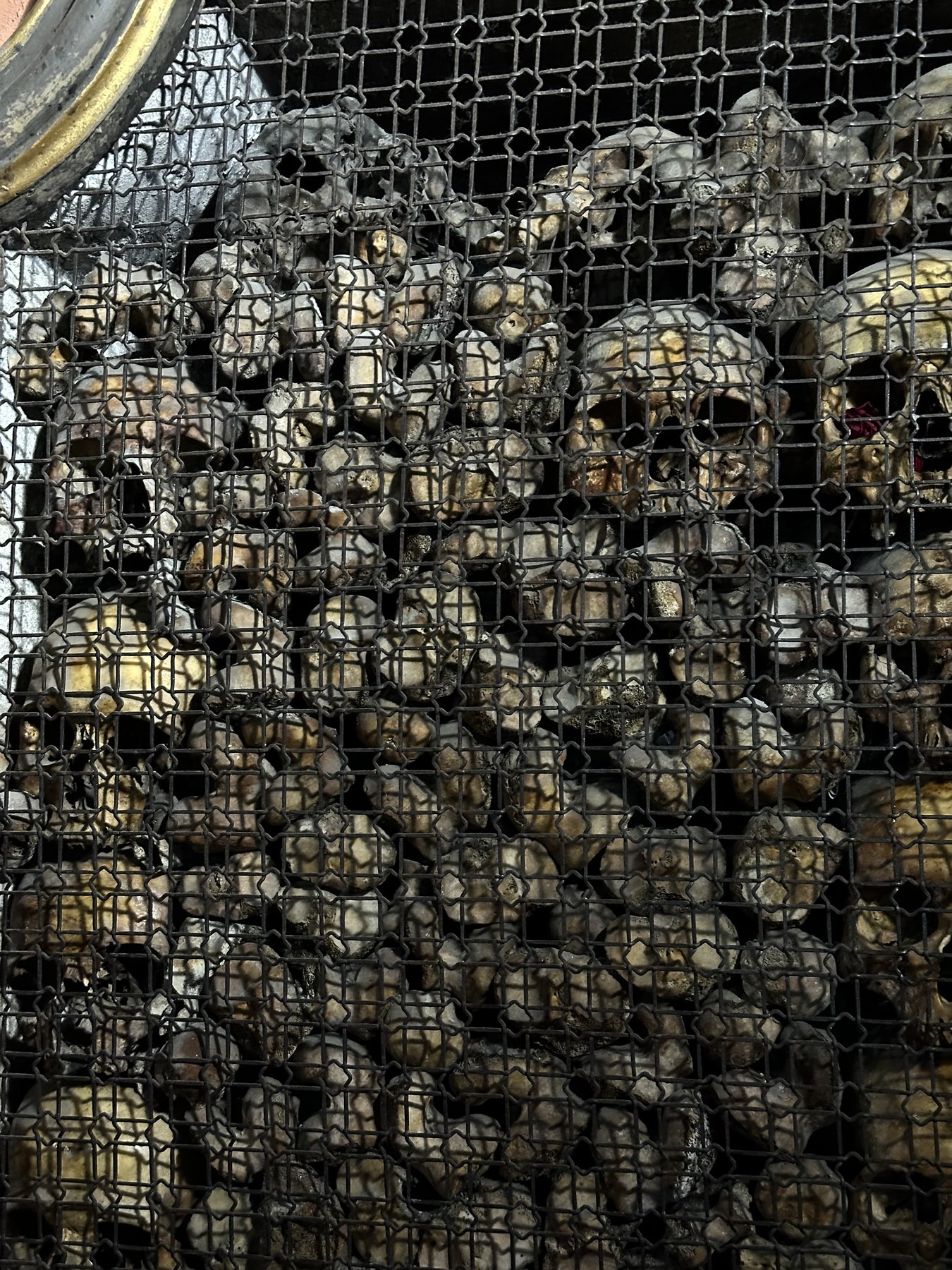
The strangest stop of my trip. The church looks modest from outside, but the ossuary chapel inside is lined with carefully arranged human bones. It felt contemplative rather than macabre, and its intimacy is the strongest possible contrast with the grandeur of the Duomo — one of the more unusual free things to see in Milan.
More infoMUDEC and temporary exhibitions
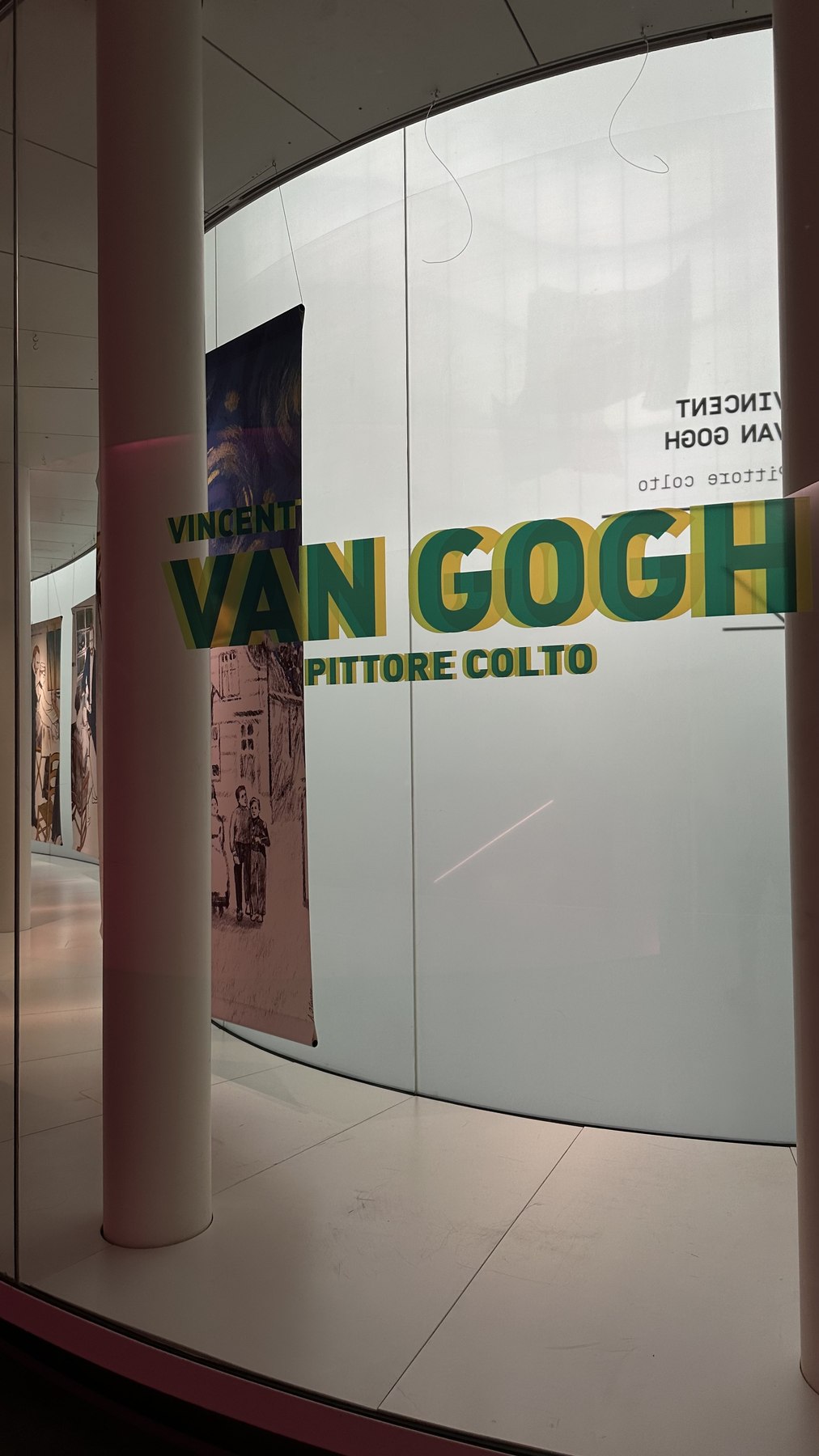
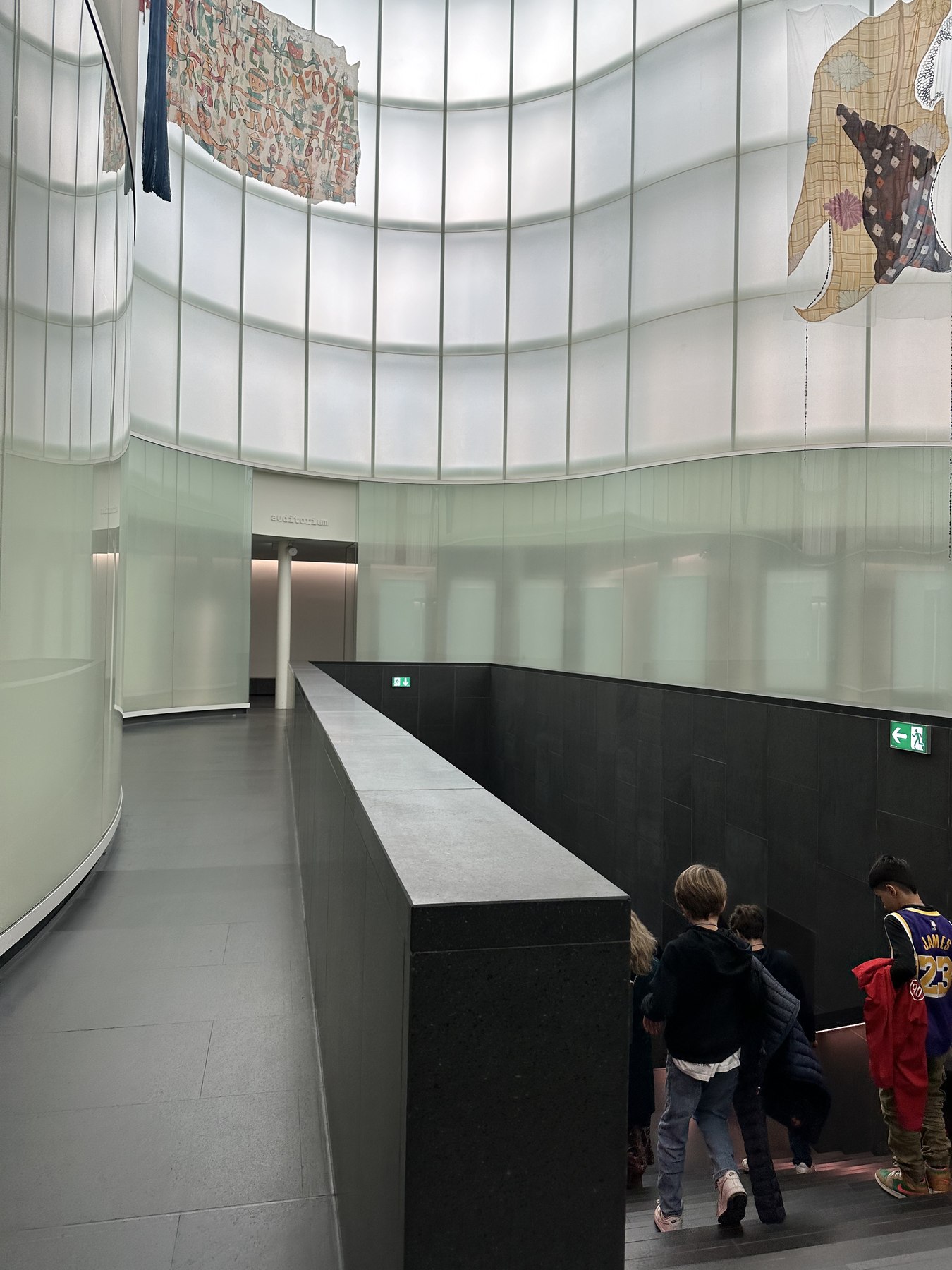
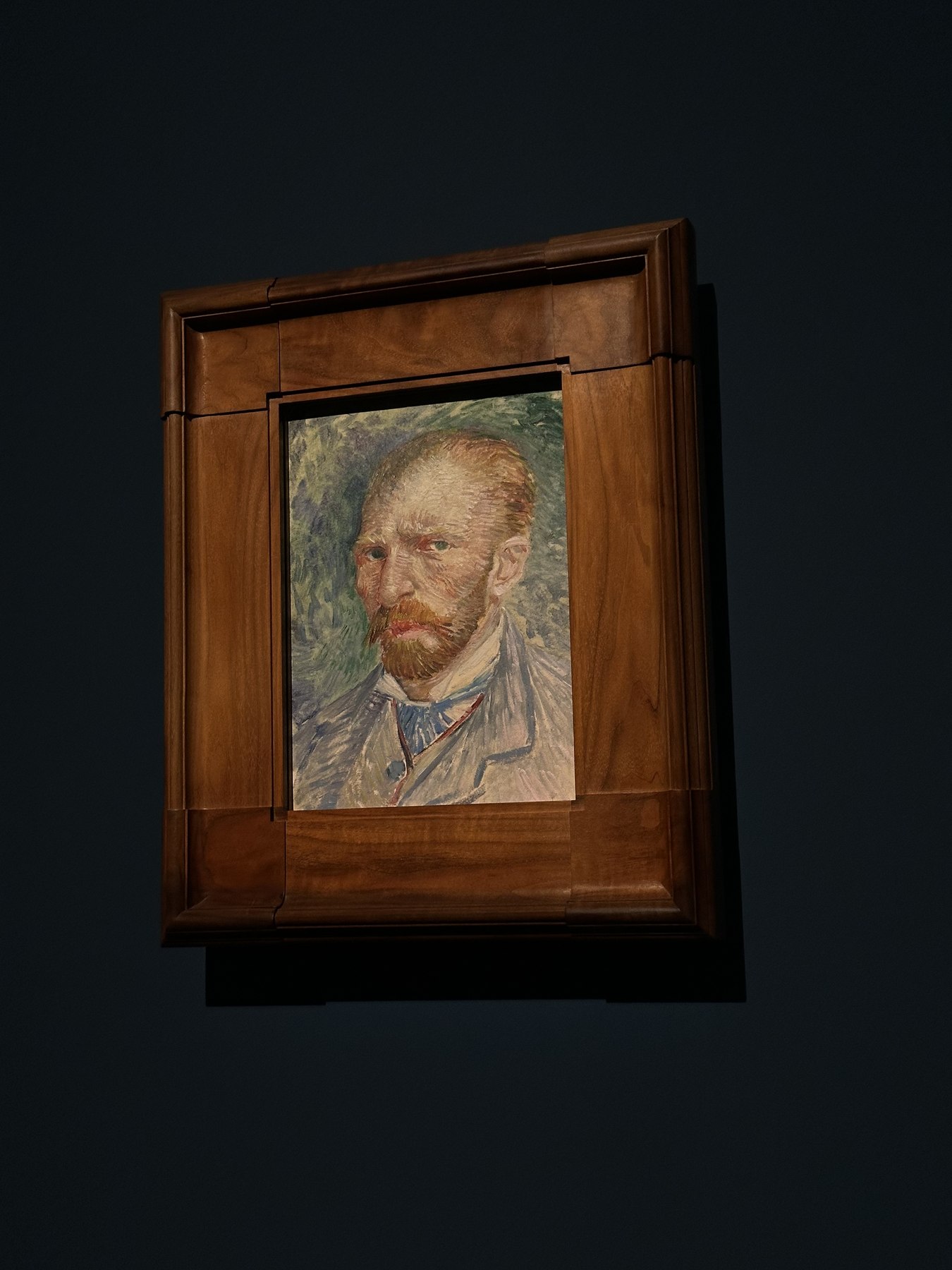
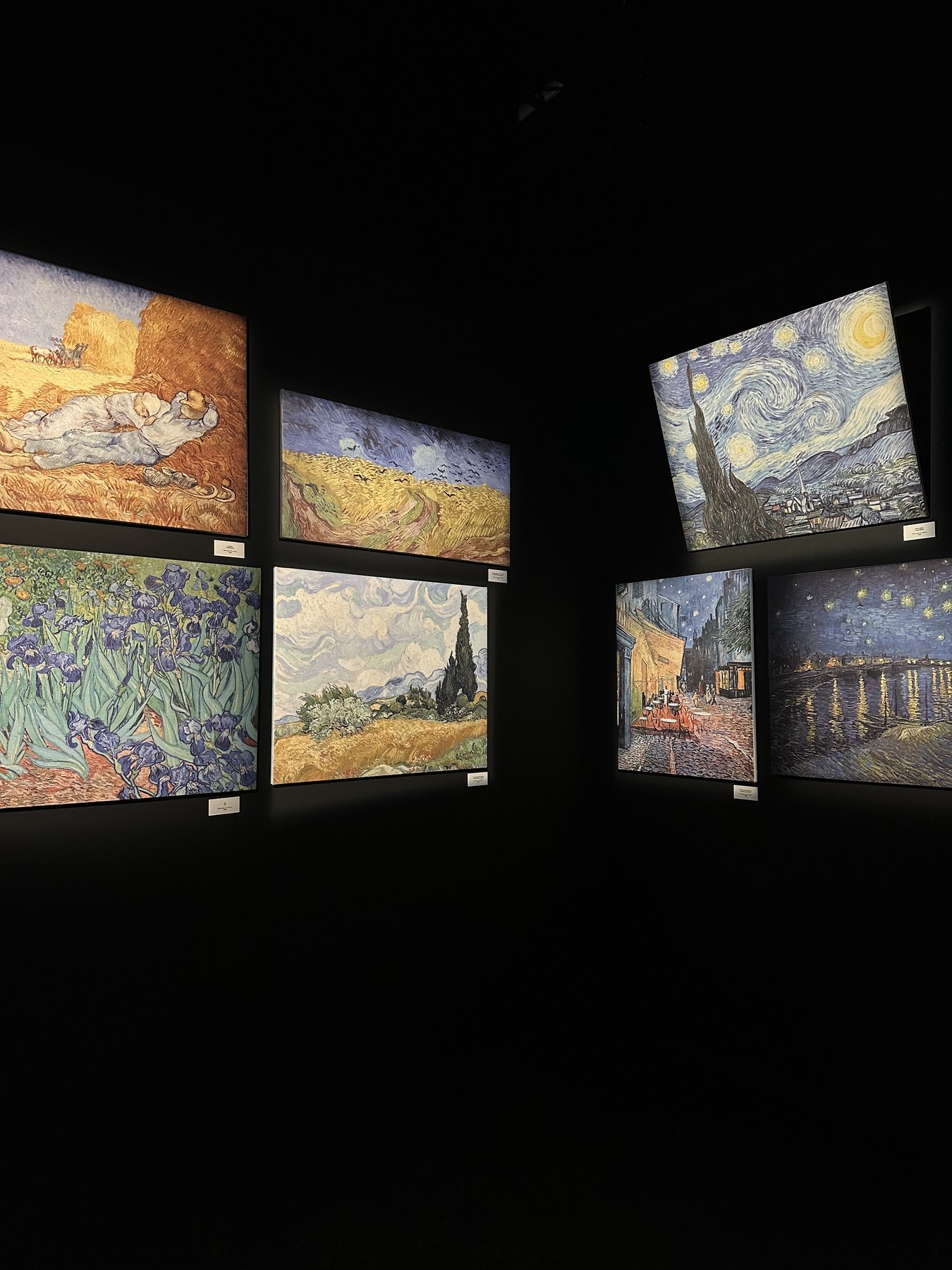
MUDEC’s clean modern architecture makes it a good art stop, and during my visit it hosted a temporary Van Gogh exhibition. Temporary shows change constantly, so treat any exhibition as a bonus and check current dates before planning your route around one.
Official site & current exhibitionsFamous attractions I didn’t reach — plan these too
My route was built around what I could genuinely experience in four days, so two of Milan’s headline sights didn’t make it in: Leonardo da Vinci’s “The Last Supper” at Santa Maria delle Grazie (tickets sell out weeks ahead and must be booked in advance) and Sforza Castle with Parco Sempione. If you have art high on your list, slot these in early and book timed entry before anything else.
What to do in Milan in a day (24 hours)
Is one day in Milan enough? For the core of the city, yes — Milan’s central attractions are close enough that a single well-planned day covers the essentials without feeling rushed. This is the condensed one-day route I’d pull straight out of my own trip, whether you’re here on a city break or a day trip from another Italian city.
Milan in a day: the fast route
- Morning — Duomo di Milano. Book the earliest rooftop slot, then go straight down into the cathedral interior. This is the one attraction to protect time for.
- Late morning — Galleria + Teatro alla Scala. Walk the arcade through to La Scala; a quick museum visit if opera isn’t on.
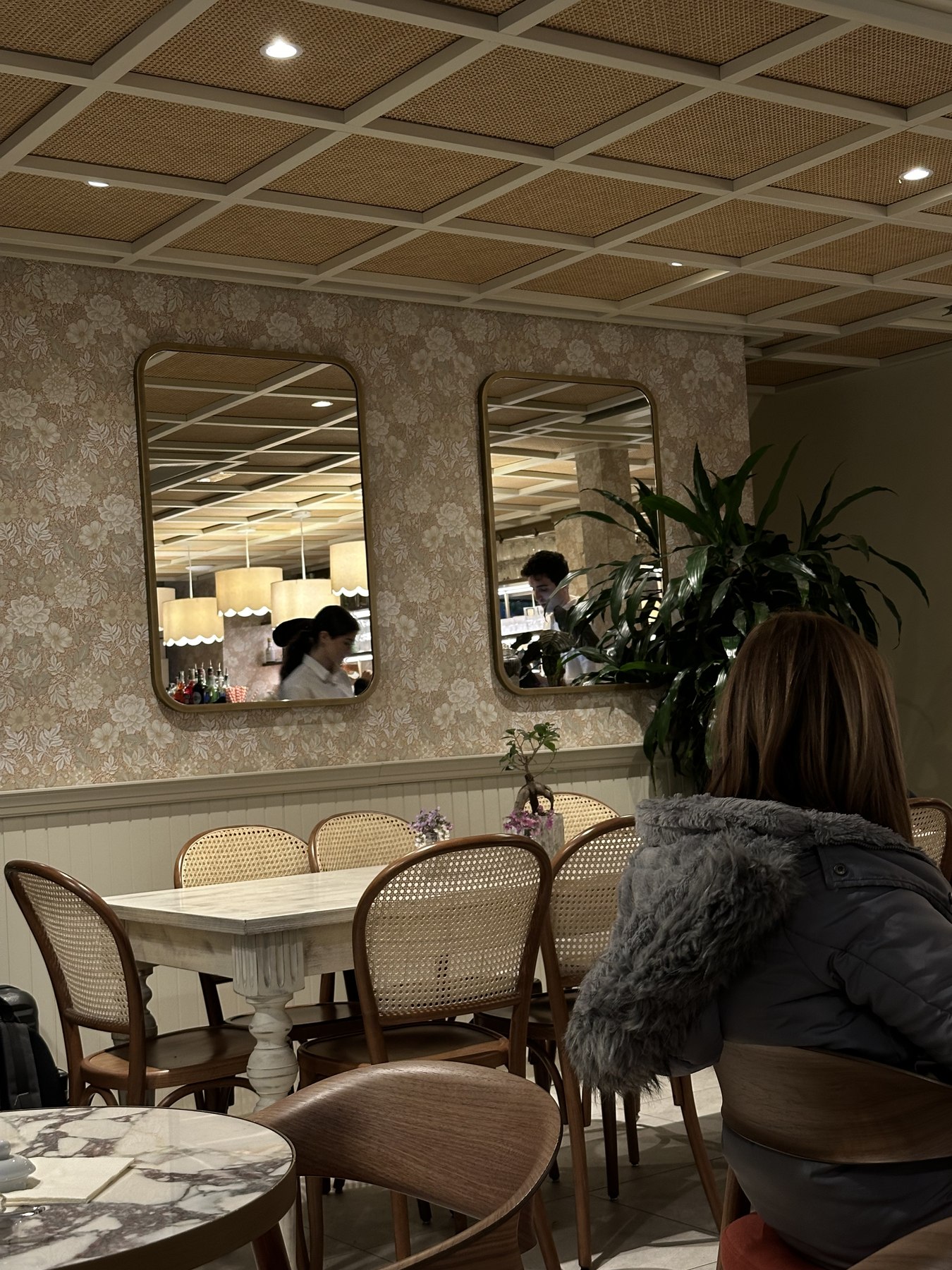
- Lunch — central café or Brera. Keep it in the centre so you don’t lose the afternoon to travel.
- Afternoon — Pinacoteca di Brera. The art highlight; give it a proper block rather than a rushed pass.
- Late afternoon — Navigli. Metro down to the canals for a walk and an aperitivo as the light drops.
- Evening — back to Piazza del Duomo. The cathedral lit up after dark is the best possible way to end 24 hours in Milan.
If you’re arriving on a day trip to Milan by train, Milano Centrale puts you a short metro ride from the Duomo, so you lose almost no time to transfers. Doing the city on foot between metro hops — rather than trying to see everything — is what keeps a single day enjoyable instead of exhausting. For a slower, richer version of exactly this route, the full four-day itinerary below expands every stop.
Free things to do in Milan
Milan has a reputation as an expensive, fashion-first city, but a surprising number of its best experiences cost nothing. These are the free things to do and places to visit in Milan that genuinely earned their place on my trip — no ticket required.
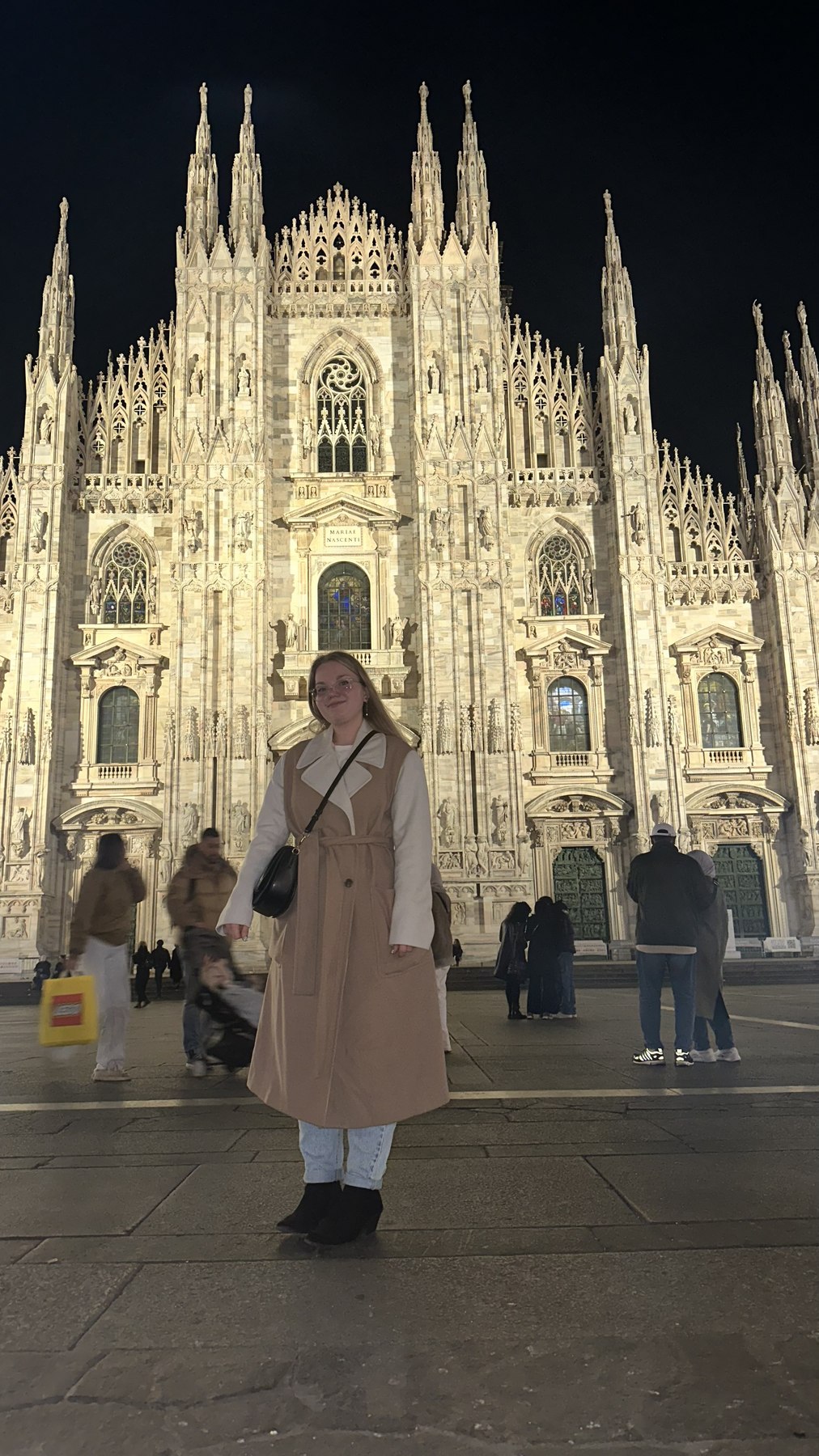
- Piazza del Duomo and the cathedral exterior. Standing in the square, especially at night when the façade is lit, is free and remains the city’s defining view.
- Galleria Vittorio Emanuele II. Walk the whole glass-roofed arcade and look up at the mosaics — one of the most photogenic free attractions in Milan.
- Navigli and Naviglio Grande. The canal walk costs nothing and is the best free way to see a calmer, more colourful side of the city.
- Bosco Verticale and Porta Nuova. Admire the vertical-forest towers and modern squares from street level for free.
- Church interiors. Small historic churches across the centre are free to enter and repeatedly surprised me more than some famous façades.
- San Bernardino alle Ossa. The bone chapel is one of the most memorable and unusual free things to see in Milan.
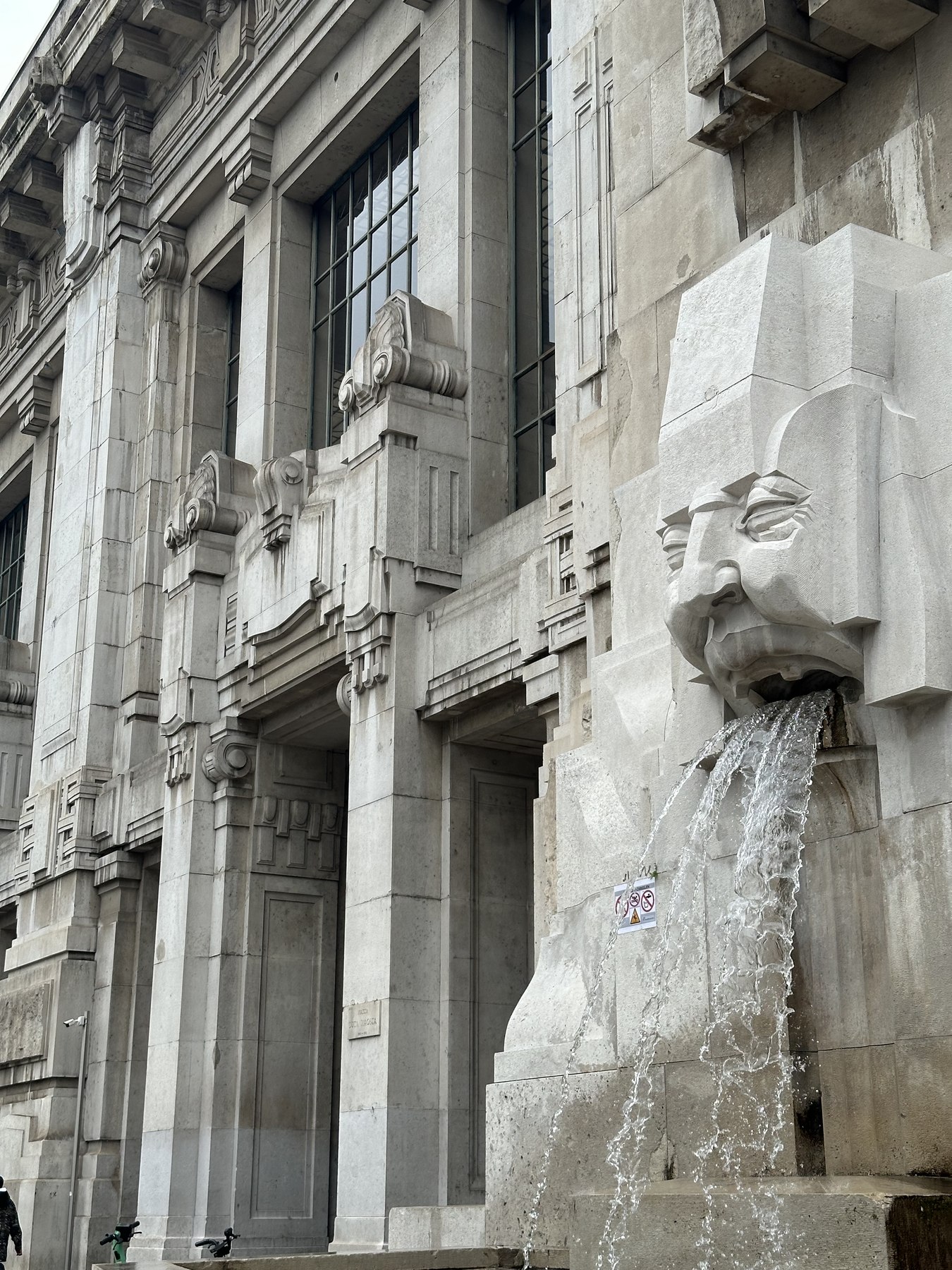
- Milano Centrale station. The monumental stone hall and carved details make the station itself a free first attraction.
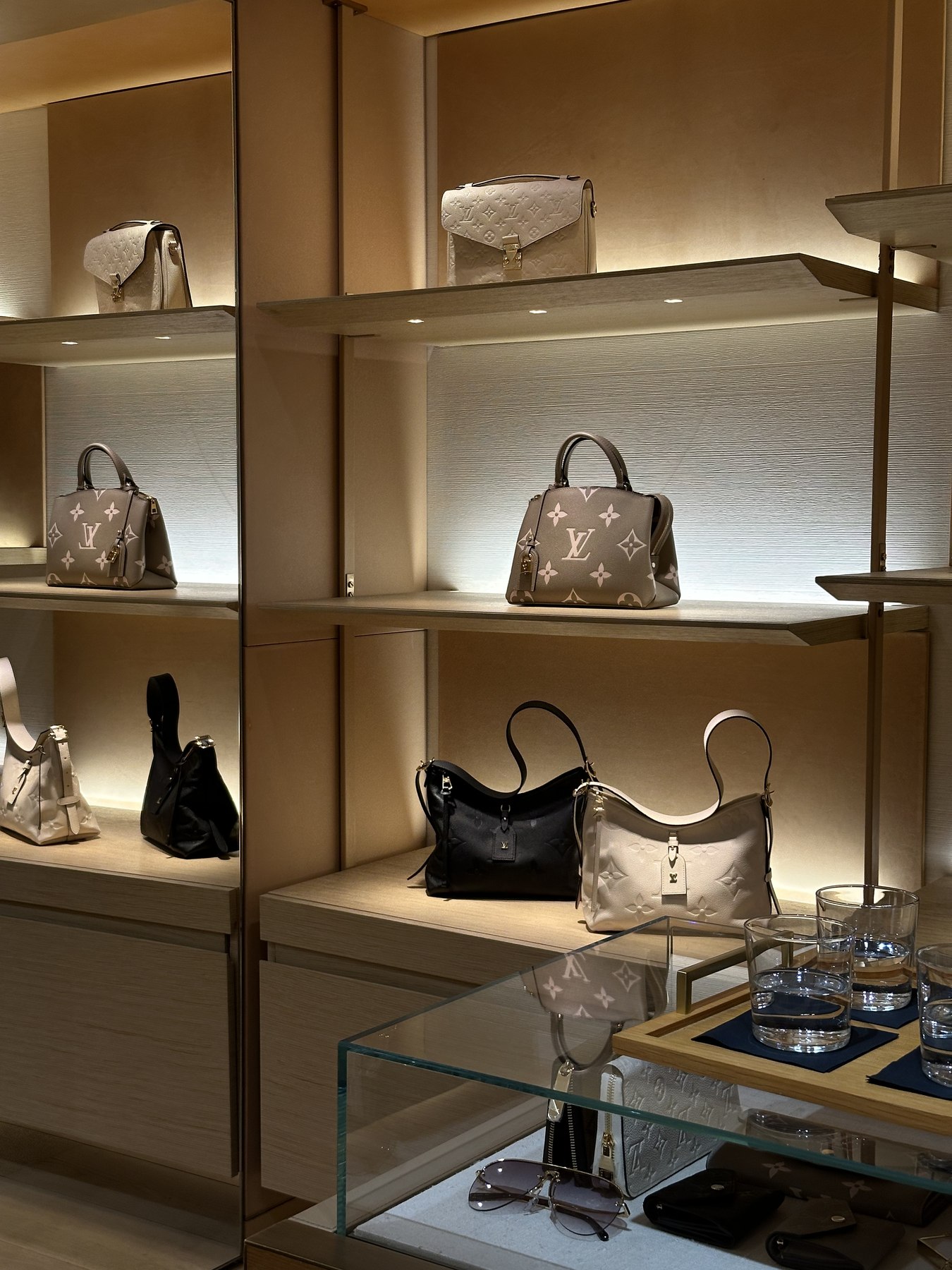
- Window-shopping in the fashion district. Milan’s luxury storefronts are part theatre, part design exhibition — free to enjoy even if you buy nothing.
Several major churches and museums also run free-entry windows on specific days or evenings, so it’s worth checking current schedules before you go — the list changes, and a little planning turns Milan into a genuinely affordable city break.
Fun things to do in Milan
Beyond the landmarks, the fun things to do in Milan are the ones that make the city feel personal — the pauses as much as the sights. These are the experiences I’d tell a friend not to skip.
- Aperitivo by the canals. A drink and small plates in Navigli as the light drops is the most Milanese thing you can do.
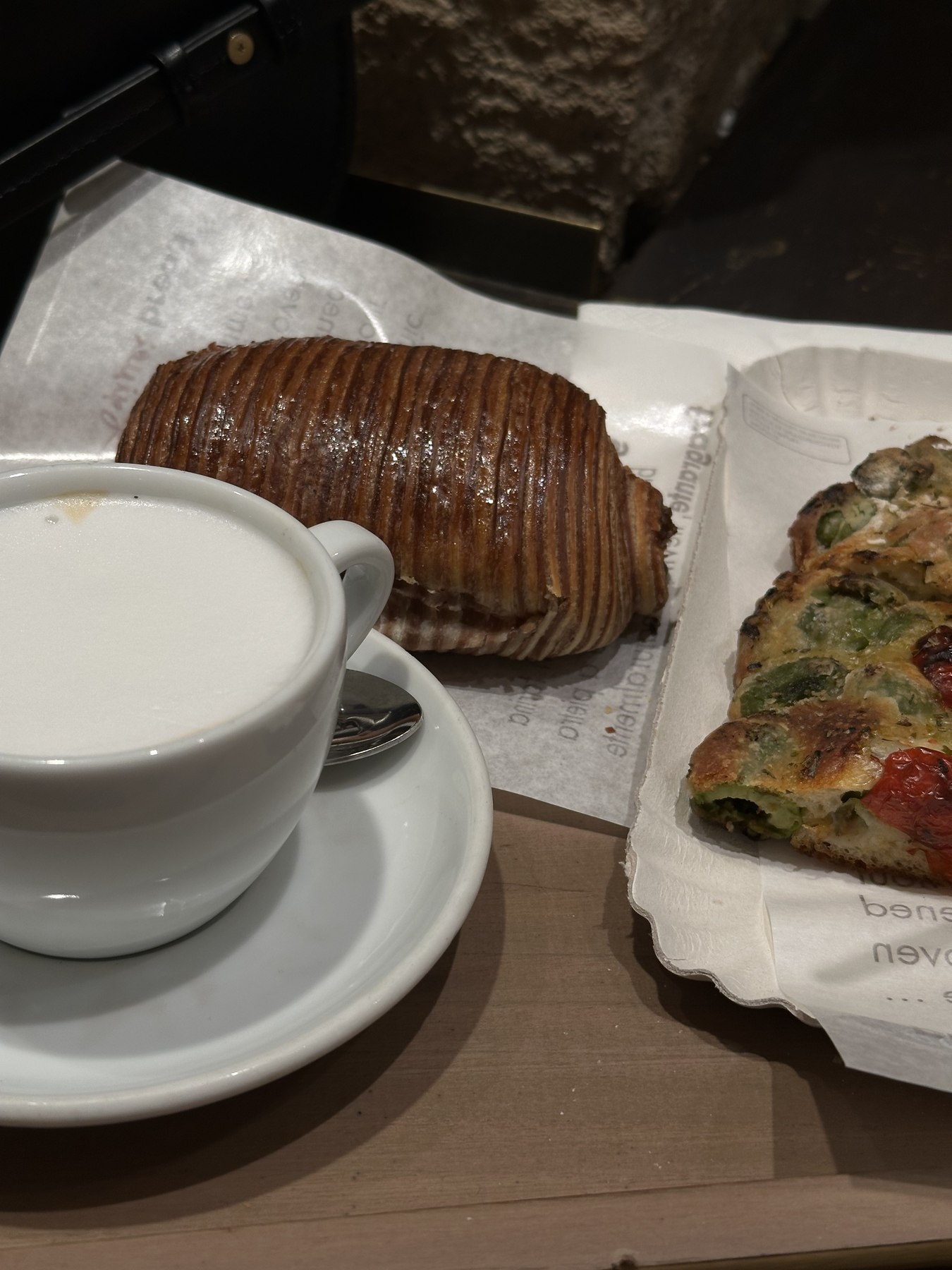
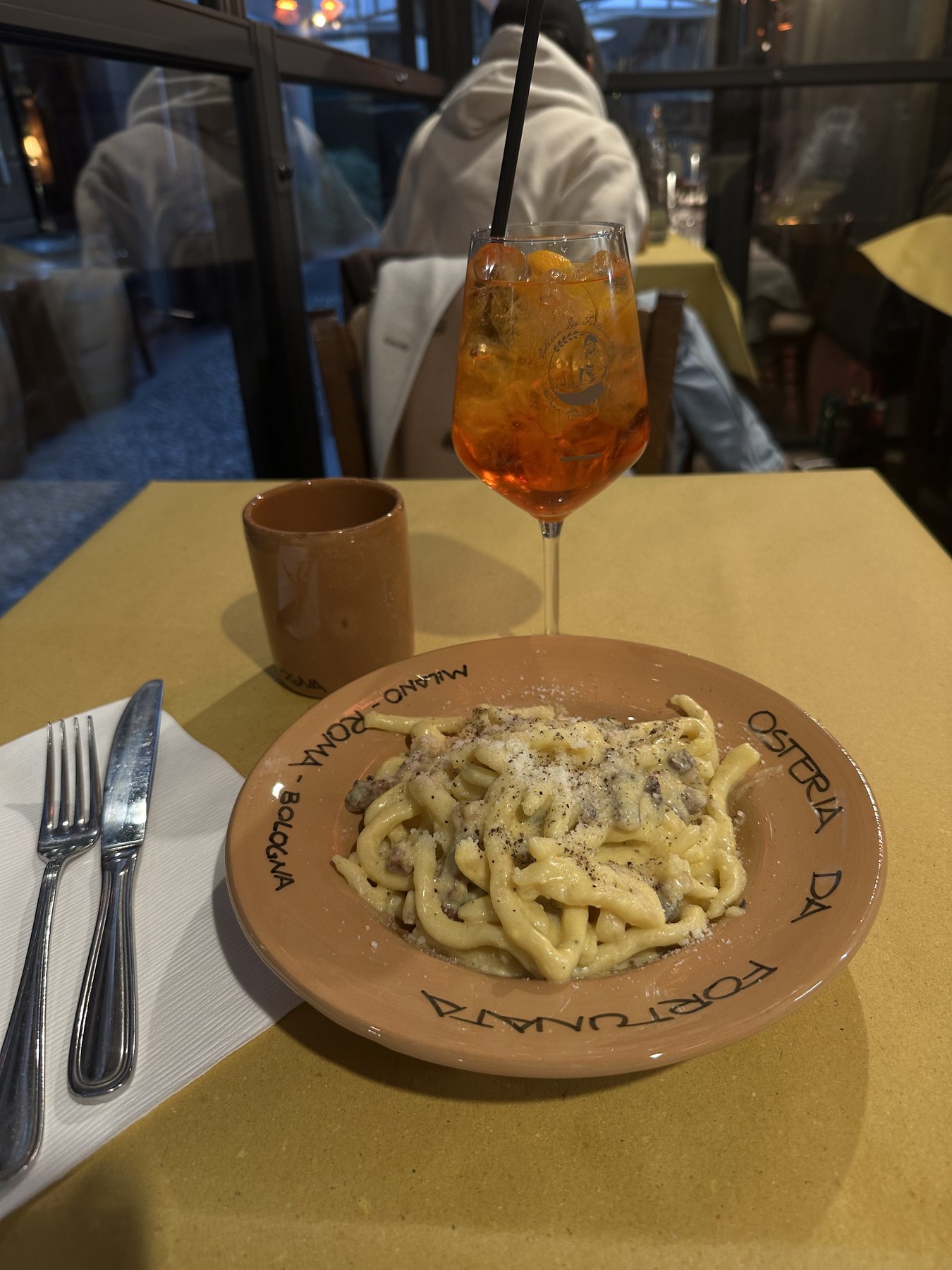
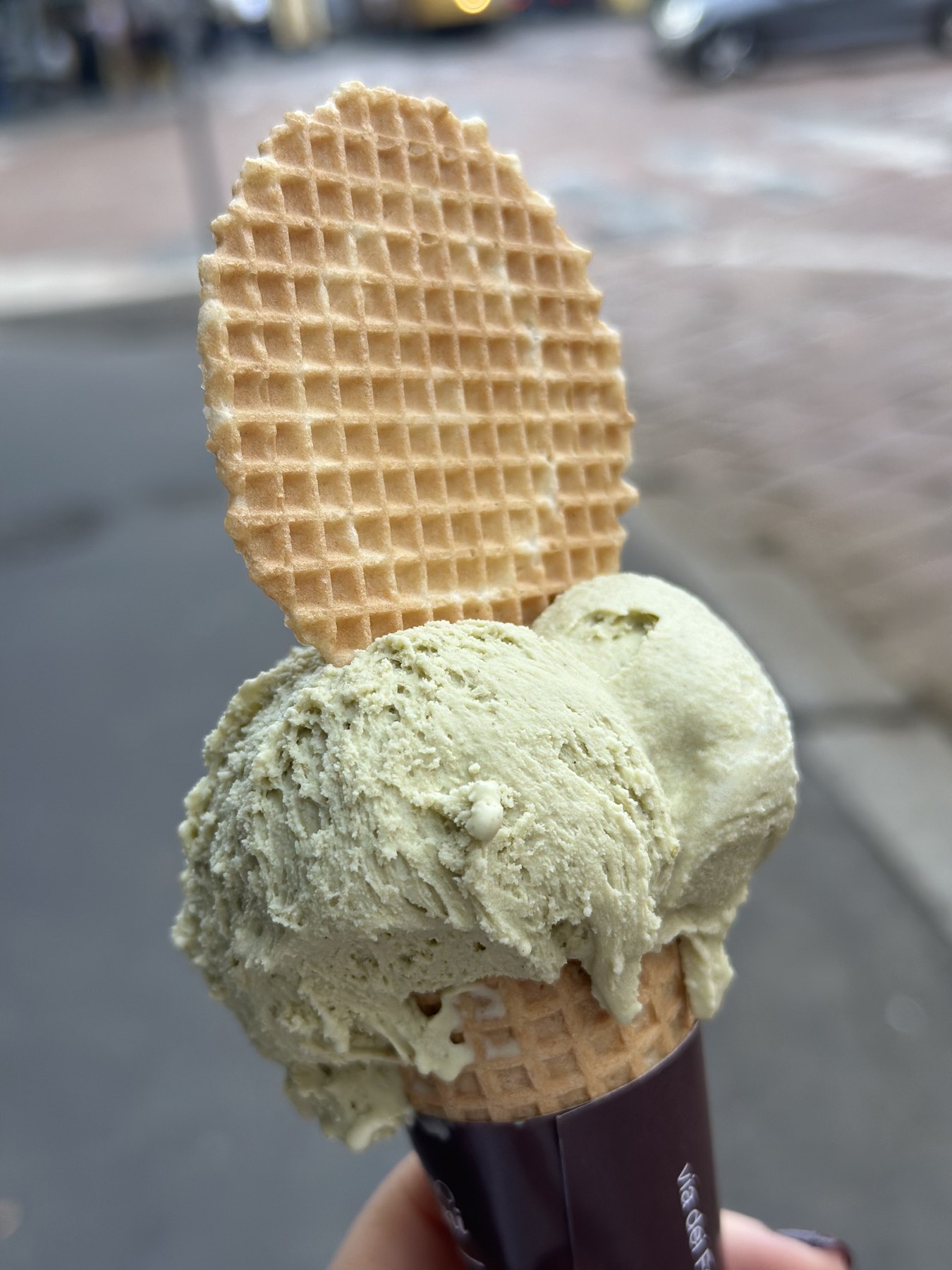
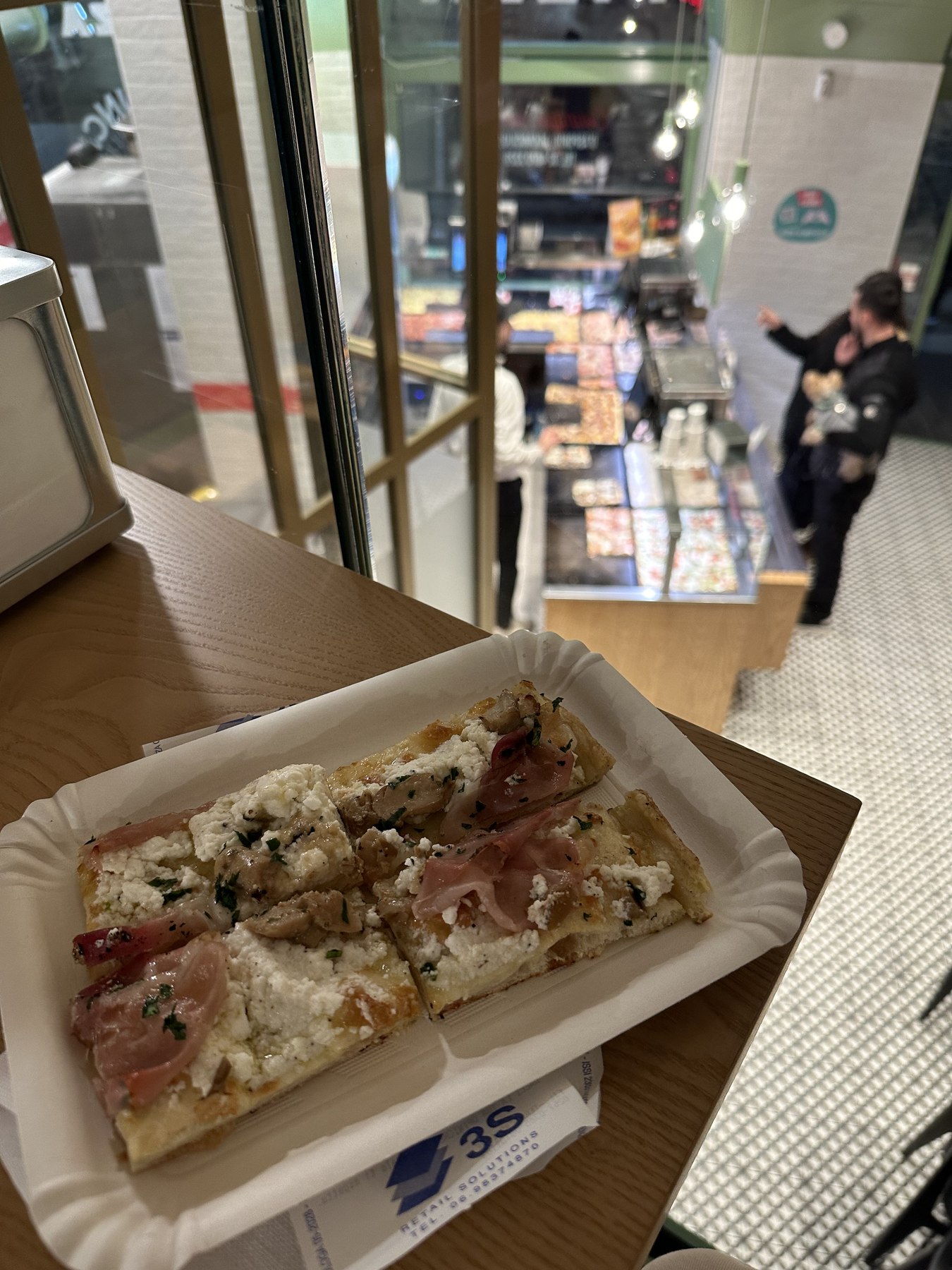
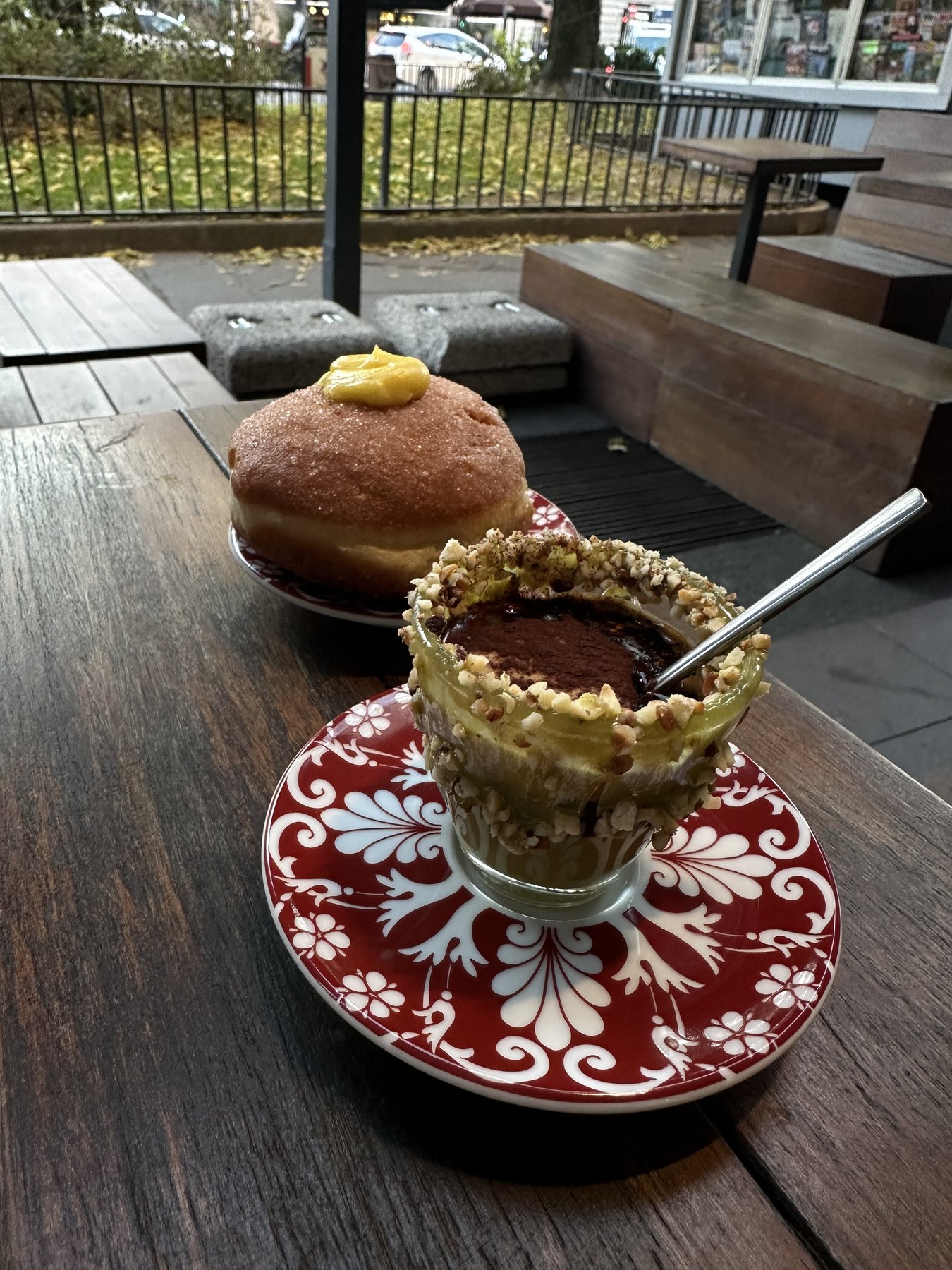
- Gelato and coffee breaks. Pistachio gelato, a proper cappuccino, a slice of tiramisu — the food stops kept every day enjoyable rather than rushed.
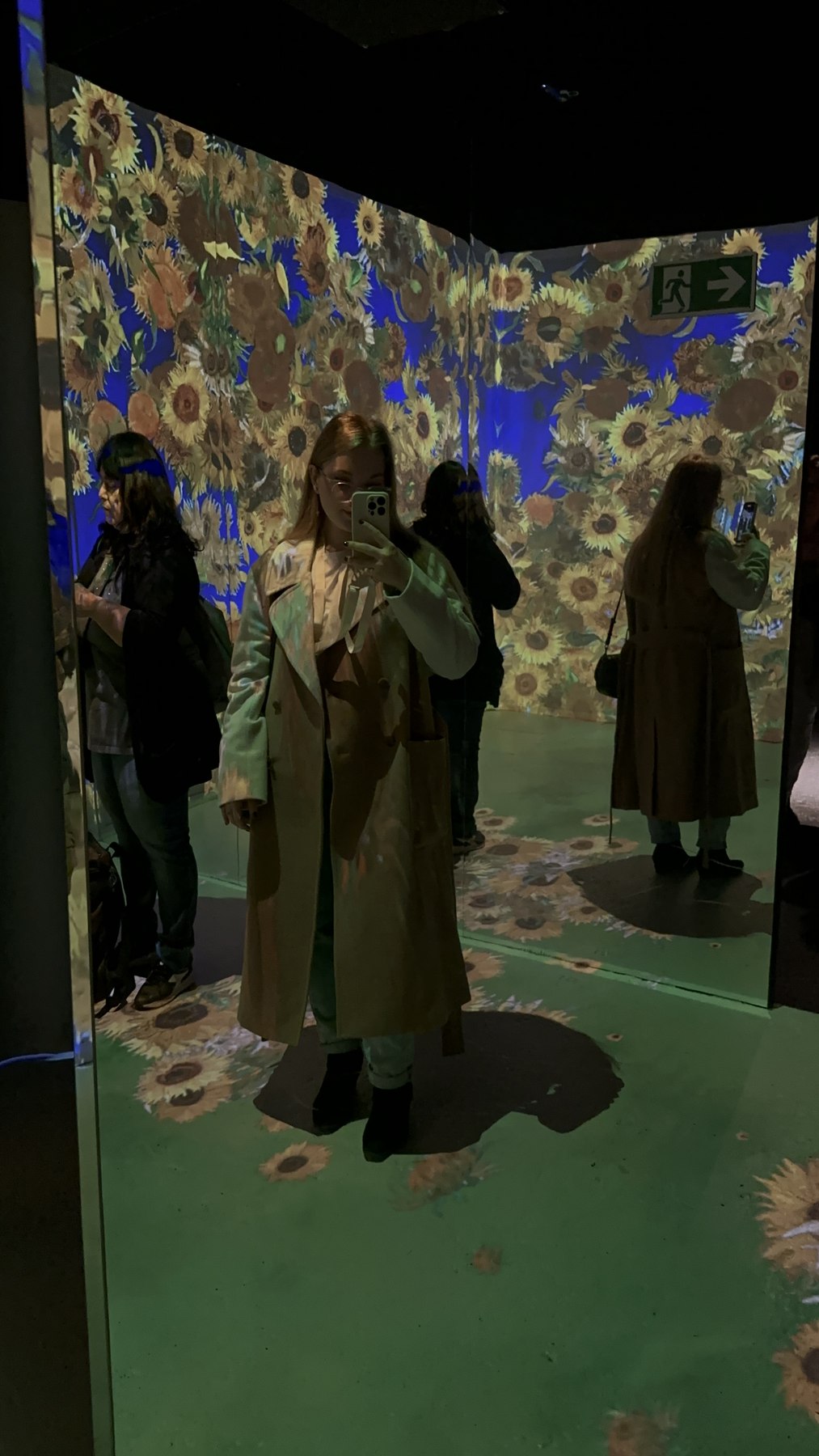
- An immersive art experience. Milan regularly hosts immersive, projection-based exhibitions; walls and floors of moving colour make a theatrical contrast to the original art in its museums.
- The Duomo rooftop at golden hour. Save the terraces for the clearest morning or late afternoon of your trip — the light between the spires is the highlight.
- Getting lost between neighbourhoods. Walking from the monumental centre to the modern north or the canal south shows how many different cities fit inside Milan.
My four-day Milan itinerary, day by day
Four days suited this trip. I could see the places in my photographs without reducing Milan to a checklist, and I had time for coffee, gelato, pasta and the unplanned pauses that made the journey feel personal. Three days would cover the main landmarks but force me to rush Brera or skip the slower moments around Navigli. This is the real route, exactly as I walked it after arriving from Genoa by train.
From Genoa to Milano Centrale
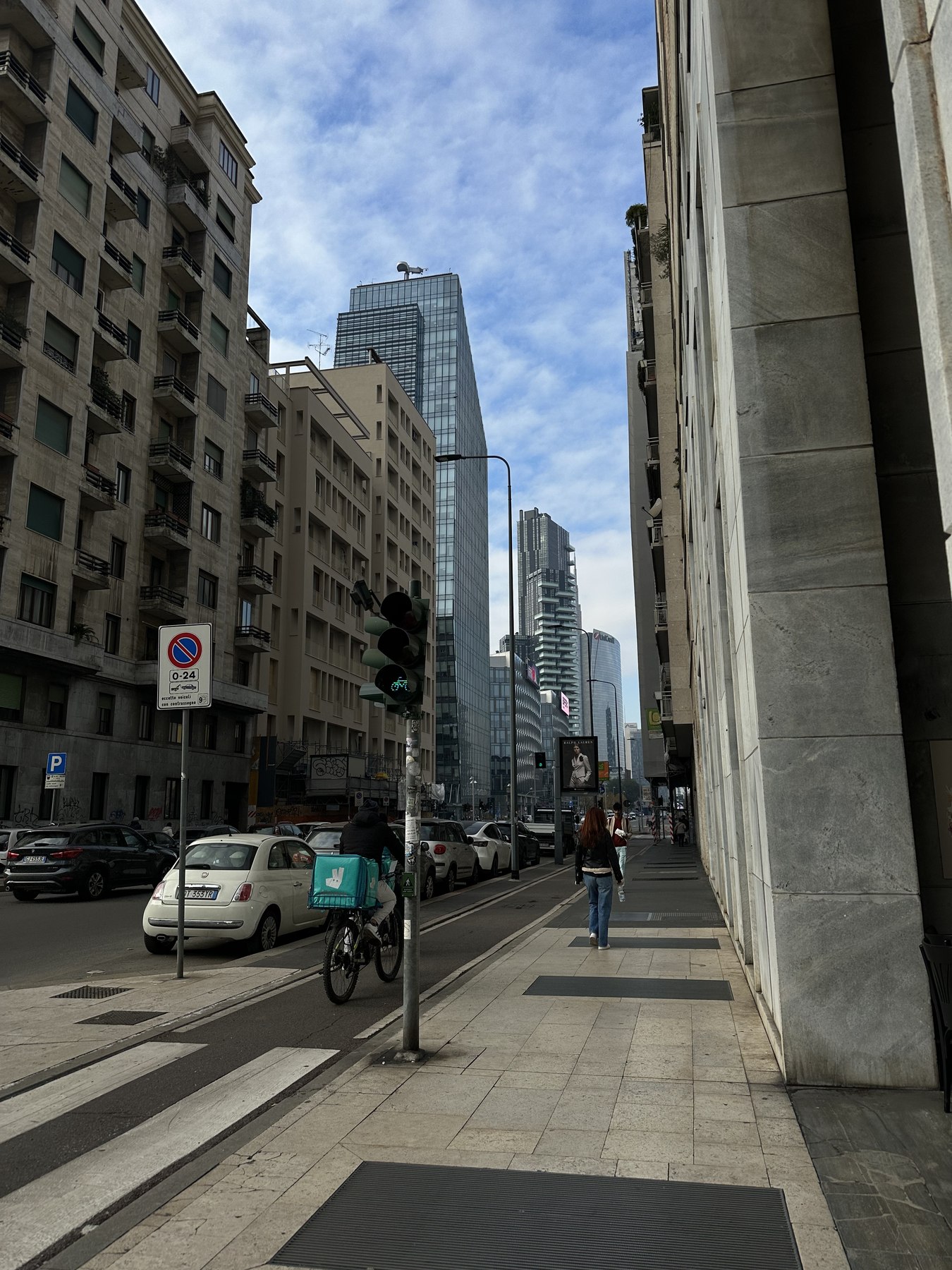
The train was the simplest way to move between the two cities — I left the Ligurian coast and arrived directly at Milano Centrale, with no airport transfer and no lost half-day. The station itself felt like the first attraction: heavy stone, carved animals and a scale designed to impress. Once outside, I started walking, which helped me understand the distance between Milan’s monumental centre and its newer northern districts.
Where I stayed in Genoa
Before the train to Milan, I spent a few nights in Genoa at a friend's place — Apartment 1, a short-term rental about 1 km from Genova Piazza Principe station. It made the early start easy: a proper kitchen and a comfortable bed the night before, then a short walk to the station with no rush. If you're planning the same Genoa–Milan route, it's worth booking accommodation close to Piazza Principe for exactly that reason.
Modern Milan and the city after dark
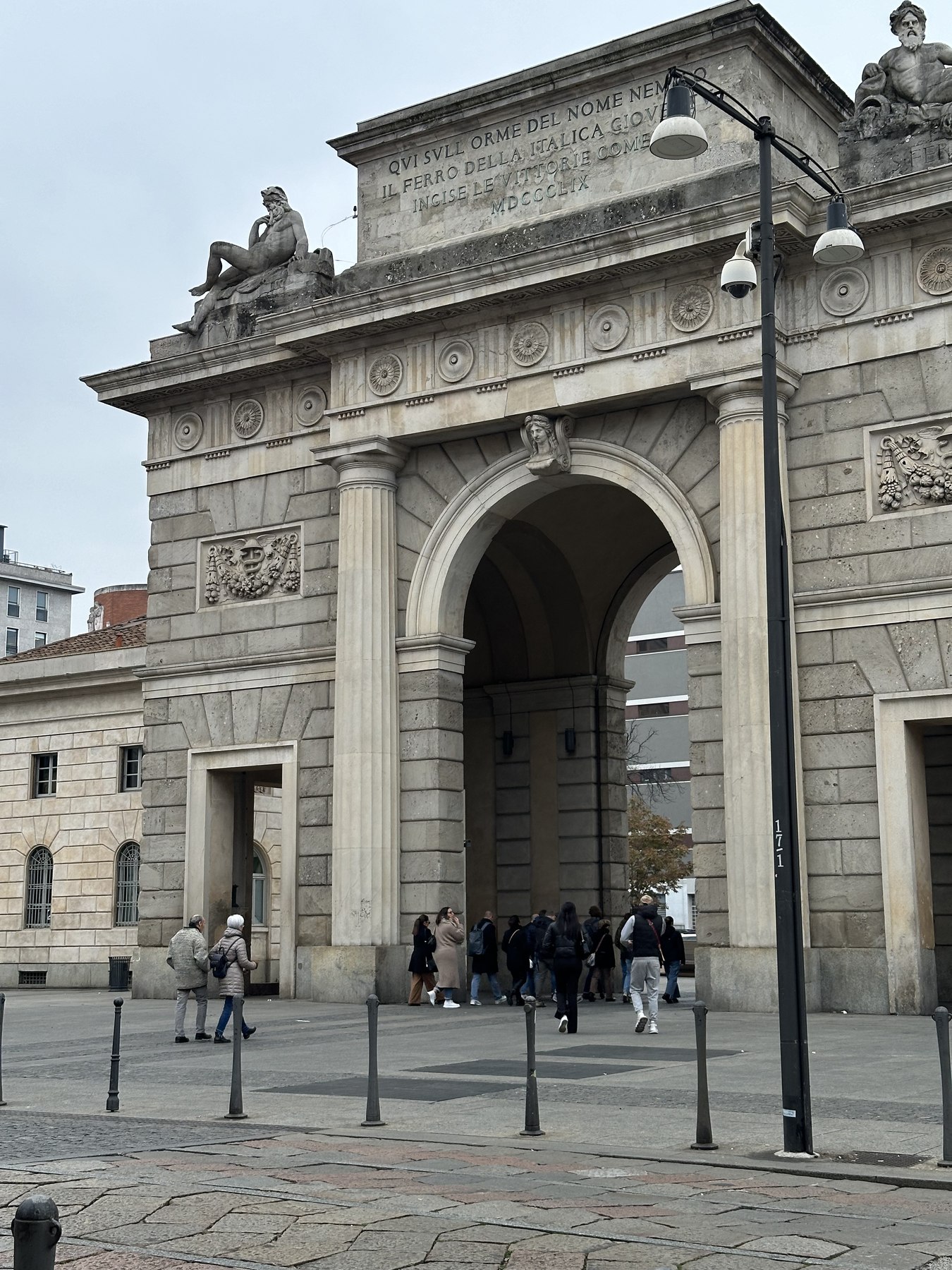
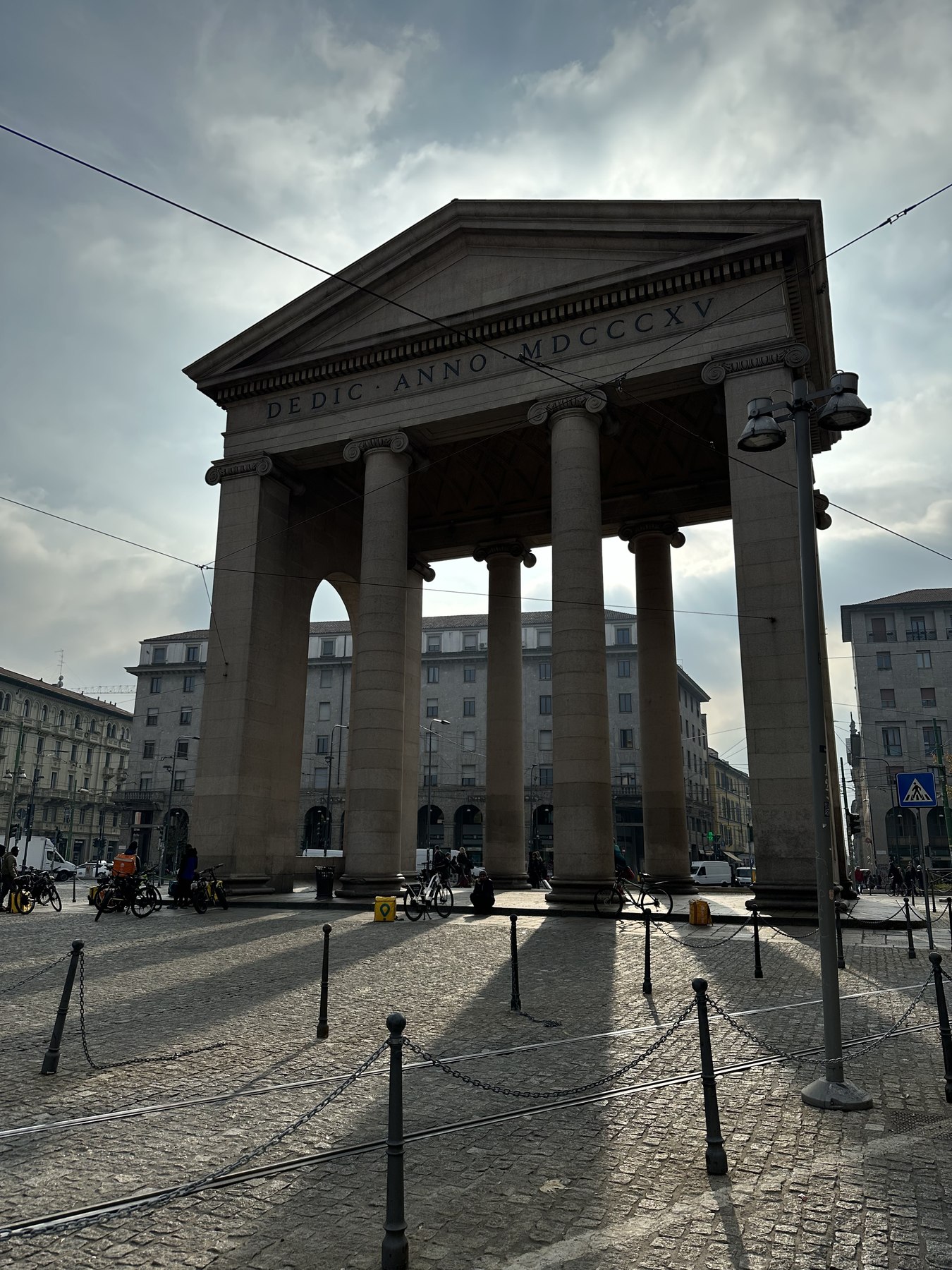
My first route began in Porta Nuova. Bosco Verticale made an immediate impression — the trees soften two towers that would otherwise feel severe, and the open space gave me room to slow down after the train. From there I continued to Arco della Pace, where the arch and Parco Sempione offered a quieter pause before the busiest part of the day. A café stop wasn’t wasted time; it was what kept the evening enjoyable.
At La Scala, the plain exterior gave little away, but inside the red boxes, gold decoration and chandelier created a far more intimate atmosphere than I expected. Afterwards I walked through Galleria Vittorio Emanuele II and reached Piazza del Duomo after dark. The illuminated cathedral was my first true “I am in Milan” moment.
Navigli, MUDEC and an unhurried lunch
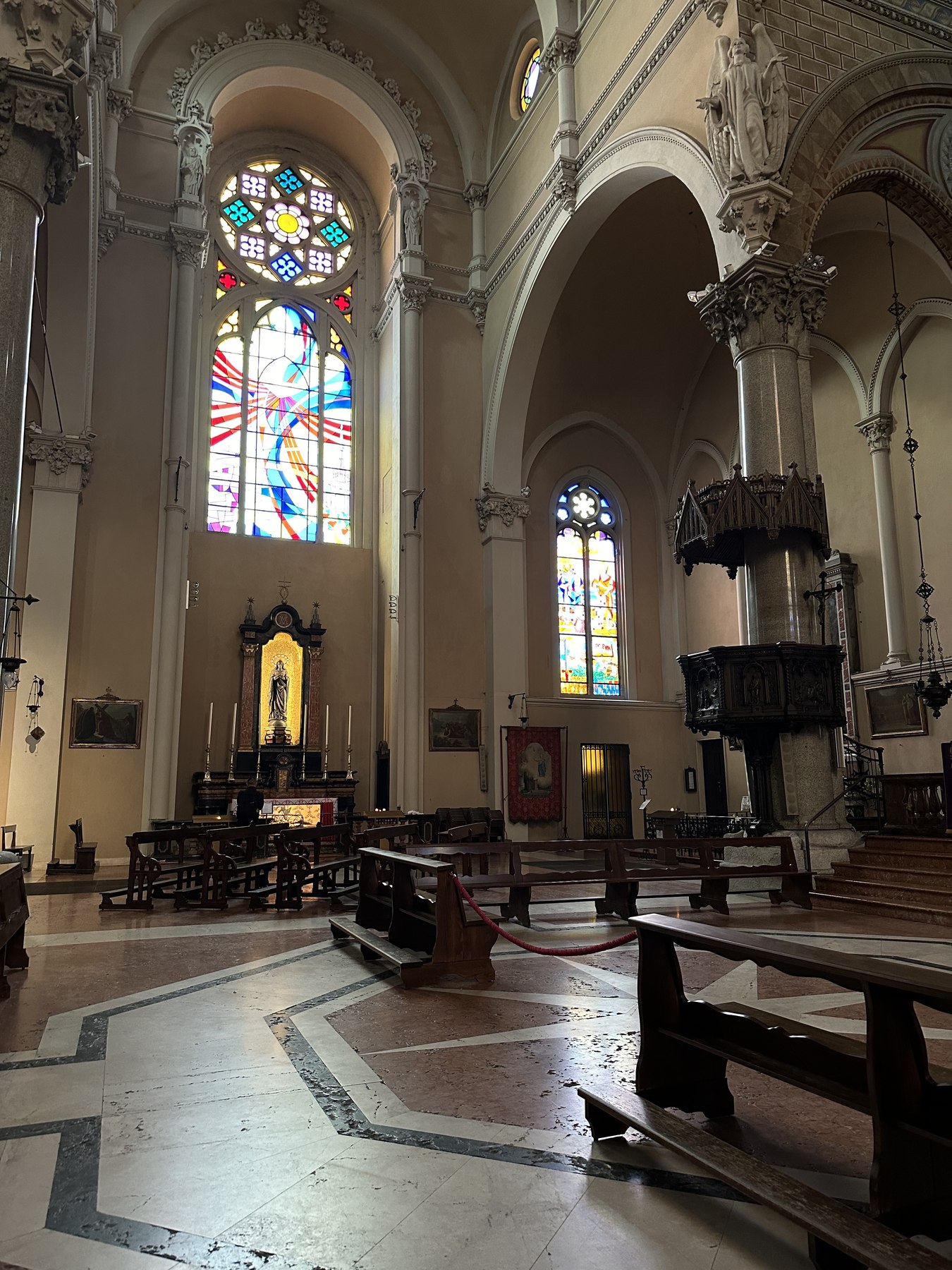
The second day felt less formal. I stopped for pistachio gelato, passed Porta Ticinese and reached Naviglio Grande. The canal changed the scale of the city — lower buildings, water reflections and long views replaced the grand façades of the centre. A nearby church added a quiet interruption before I continued to MUDEC, which during my visit hosted a temporary Van Gogh exhibition. That show is part of my travel story, not a permanent promise, so always check current exhibitions before planning the same route.
MUDEC worked because it combined architecture, context and original art. Afterwards I chose a proper lunch instead of forcing another attraction into the afternoon — a decision that made the day more memorable, not less productive.
Immersive art, Brera and a favourite interior
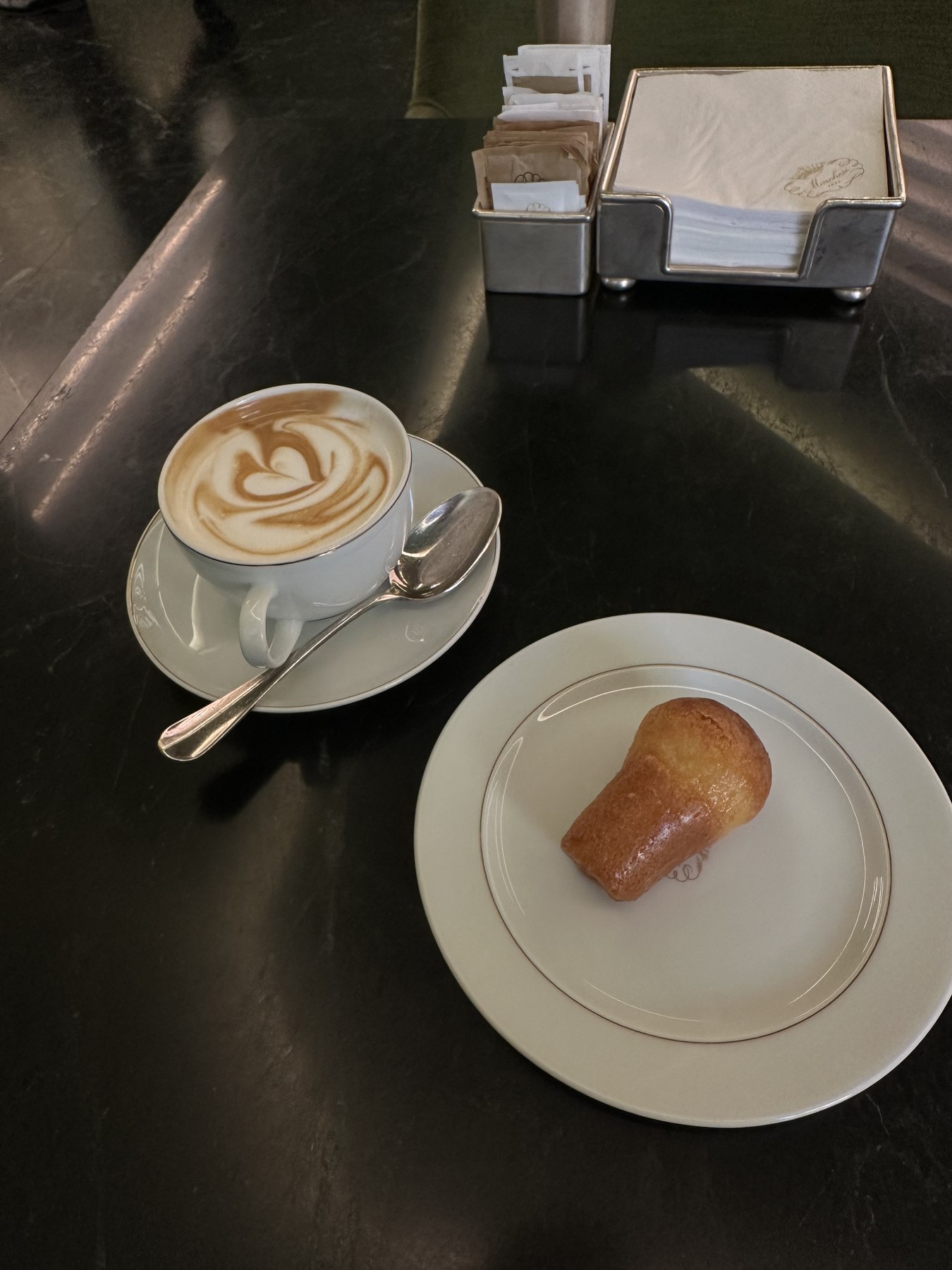
I started with a small historic church and a cappuccino, then moved into a completely different visual world: a temporary immersive Van Gogh experience with projections across the walls and floor. It didn’t replace original art, but it made familiar colours and brushwork feel physical and theatrical. Brera provided the necessary contrast — Palazzo Brera felt calm, ordered and historic, and I took time on the staircase and in front of the works that caught my attention rather than photographing every room.
The biggest surprise was the Biblioteca Braidense, whose long reading room, dark shelves and painted ceiling felt almost cinematic. I ended the day with pasta and aperitivo, which was exactly enough after several hours of art.
The Duomo rooftop, cathedral interior and an unexpected chapel
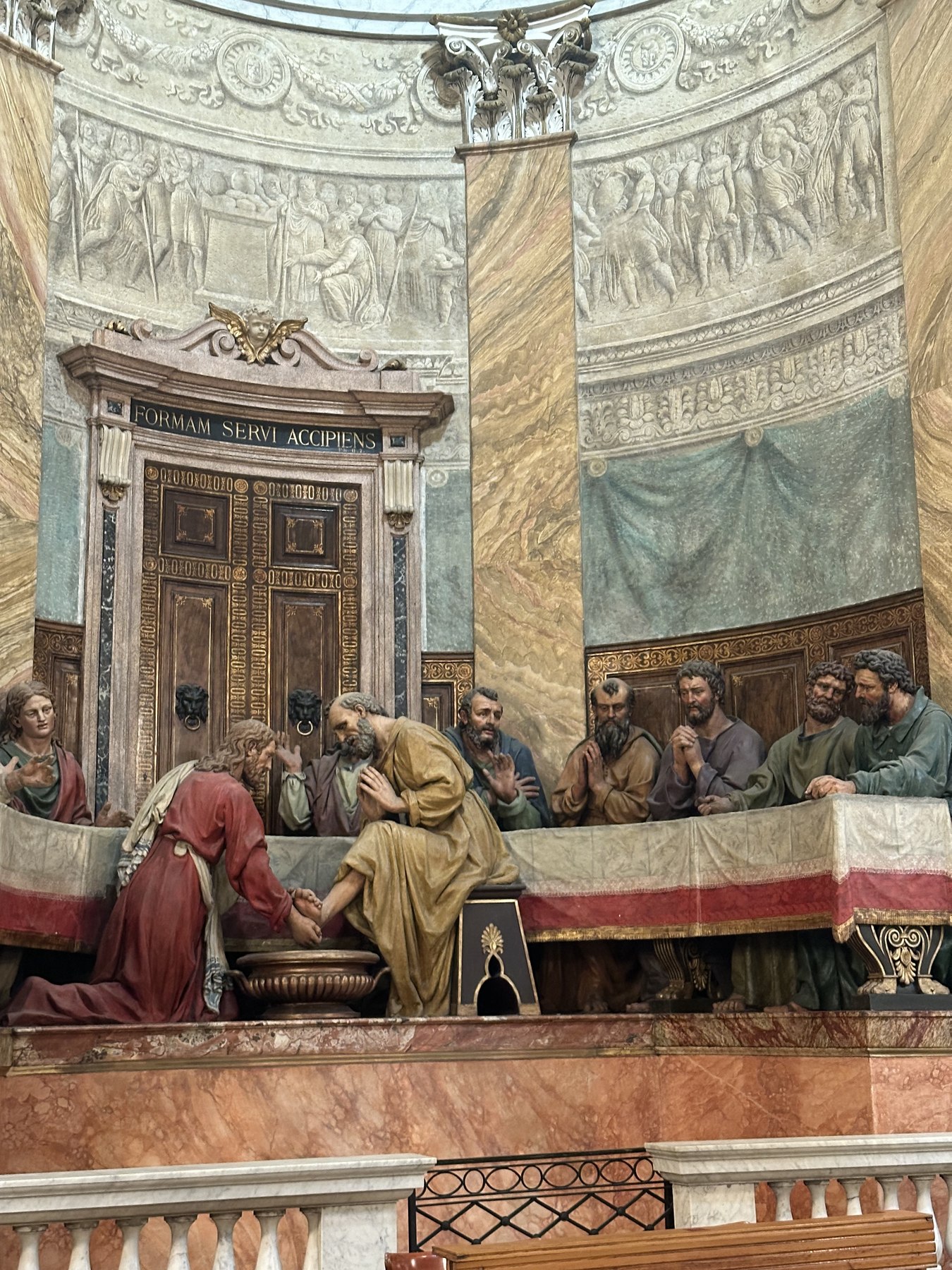
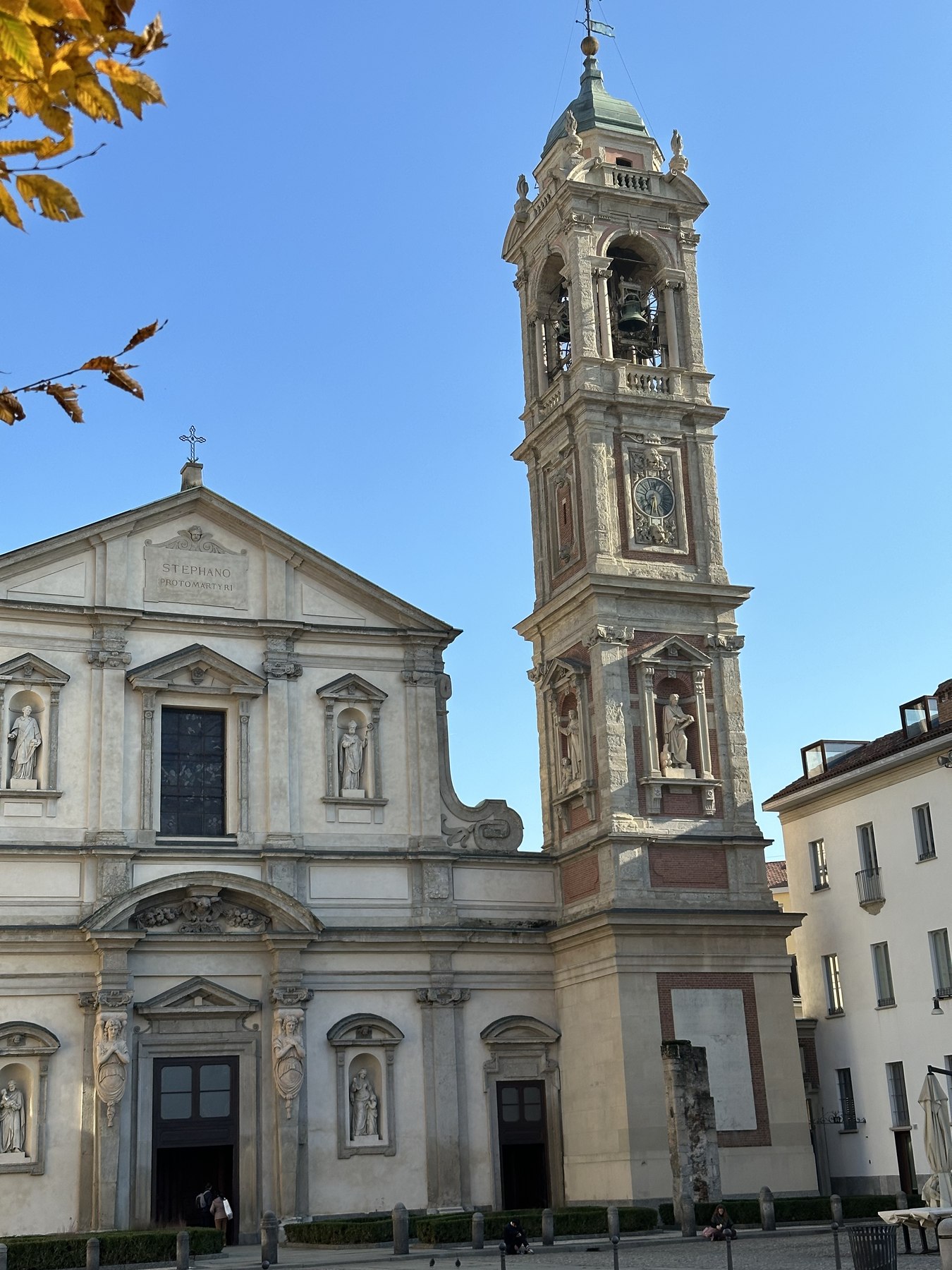
I saved the Duomo rooftop for the final morning — the best choice of the trip. From the square the cathedral looks like one immense object; on the terraces it becomes hundreds of separate details, and the clear light let me see modern buildings between the Gothic spires. After the roof I entered the cathedral, and the shift was immediate: blue sky became shadow, stained glass and enormous columns. Seeing both spaces on one visit gave the building far more meaning than choosing only the exterior or interior.
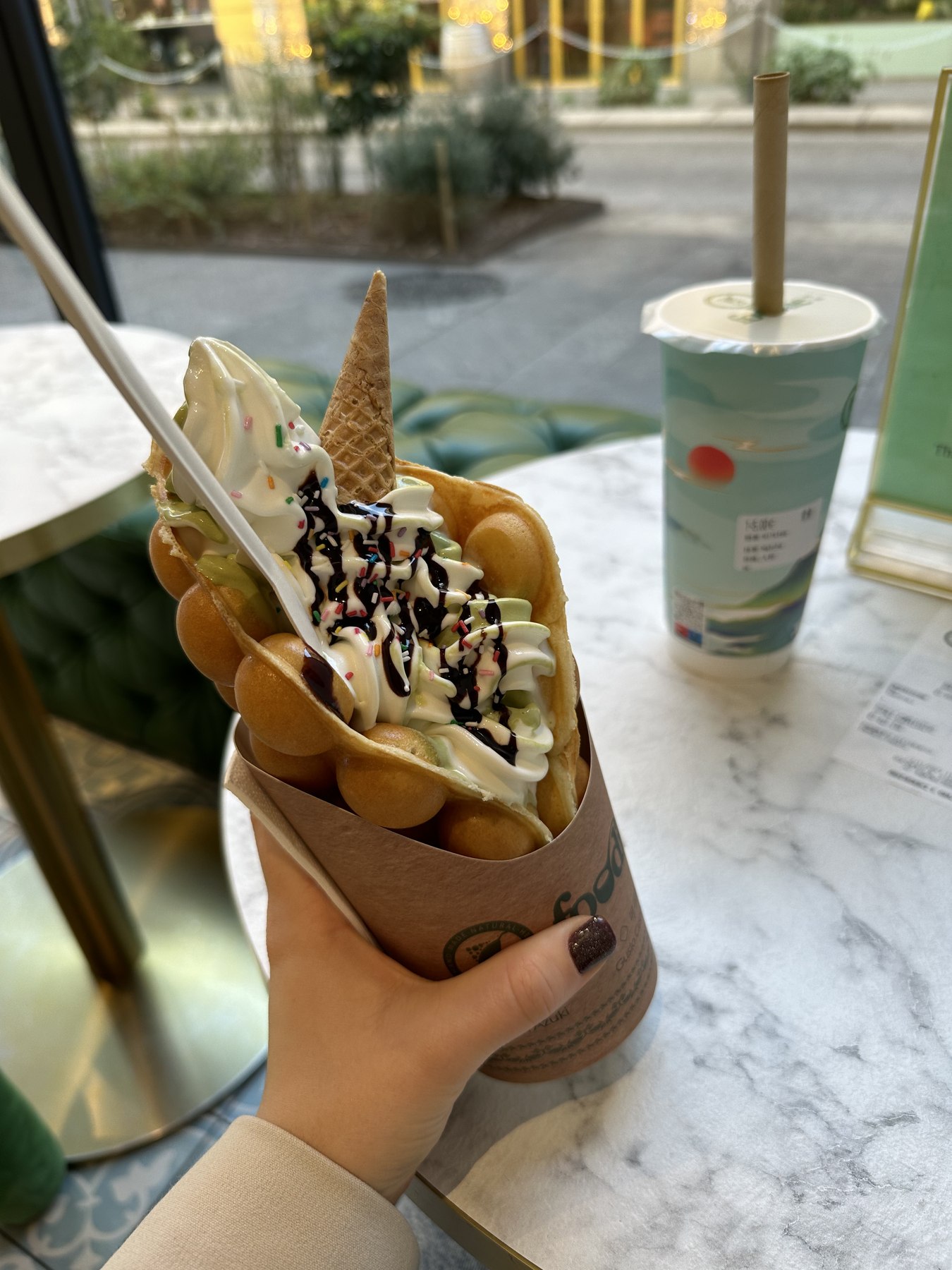
Later, a waffle break led into the strangest stop of the journey: San Bernardino alle Ossa, where the ossuary walls are covered with carefully arranged human bones. The room felt contemplative rather than sensational, and its intimacy formed a powerful contrast with the Duomo. I finished with window-shopping — Milan’s luxury stores are part theatre, part design exhibition, even when you buy nothing.
Practical tips for visiting Milan
A few things I learned on this route that would make any Milan trip — one day or four — run more smoothly:
- Book the big timed entries first. The Duomo rooftop, major museums and “The Last Supper” sell out; reserve these before filling the rest of the itinerary.
- Keep the centre as one walking route. La Scala, the Galleria and Piazza del Duomo belong together, ideally after dark.
- Pair Navigli with MUDEC. They’re close, so grouping them avoids unnecessary trips across the city.
- Check exhibition dates. The Van Gogh events in my photos were temporary; today’s shows will be different.
- Use the metro for longer moves, walk within neighbourhoods. That mix is what let me see how the districts connect.
- Consider a guided or skip-the-line ticket for the Duomo. If you only do one Milan tour or timed entry, make it the cathedral rooftop.
- Leave one unscheduled hour a day. That’s where the personal part of the trip — a coffee, a church doorway, a street worth following — usually happens.
Milan travel FAQ
Is Milan a good place to visit?
Yes. Milan rewards travellers who look beyond its fashion-and-finance reputation: within a compact, walkable centre you get the Gothic Duomo and its rooftop, world-class art at Brera, the canal district of Navigli, striking modern architecture and genuinely good food. It’s especially good for a short city break or as a base for day trips across northern Italy.
Is one day in Milan enough?
One day is enough to cover Milan’s essentials — the Duomo and rooftop, the Galleria, Brera and a walk through Navigli — if you book the cathedral early and stay in the central core. Two to four days let you slow down, add museums like MUDEC, and fit in “The Last Supper” and Sforza Castle without rushing.
What are the top things to see in Milan?
The headline attractions are the Duomo di Milano and its rooftop terraces, Galleria Vittorio Emanuele II, Teatro alla Scala, the Pinacoteca di Brera, the Navigli canals, Bosco Verticale, and — for something unusual — the bone chapel at San Bernardino alle Ossa. Leonardo’s “The Last Supper” and Sforza Castle complete the classic list if you book ahead.
What free things are there to do in Milan?
Plenty. Piazza del Duomo and the cathedral exterior, the Galleria arcade, the Navigli canal walk, the Bosco Verticale towers, historic church interiors, San Bernardino alle Ossa and Milano Centrale station are all free to enjoy. Many museums and churches also offer free-entry days or evenings — check current schedules before you go.
How many days do you need in Milan?
Two to three days comfortably cover the main landmarks. I chose four, which gave the route a better rhythm — arrival and the centre, canals and a museum, Brera and art, then the Duomo rooftop and an unexpected chapel — with time for coffee, gelato and unplanned stops. Fewer days work if you prioritise the Duomo and Brera and keep everything central.
How do I get to Milan from other Italian cities?
The train is usually the simplest option. I travelled from Genoa and arrived directly at Milano Centrale with no airport transfer and no lost half-day, and the station sits a short metro ride from the Duomo. Fast trains connect Milan to Turin, Venice, Florence and beyond, which is why Milan works so well as a day-trip base or a first stop in the north.